What If They Can?
What becomes possible when we let them try?
At our Beginning-of-Year Spark Equipping Meeting, we centered our conversation around one simple question: What if they can? We explored what becomes possible when children are given the time, space, and trust to try for themselves. This same question continues to shape the everyday experiences of learners in Spark.
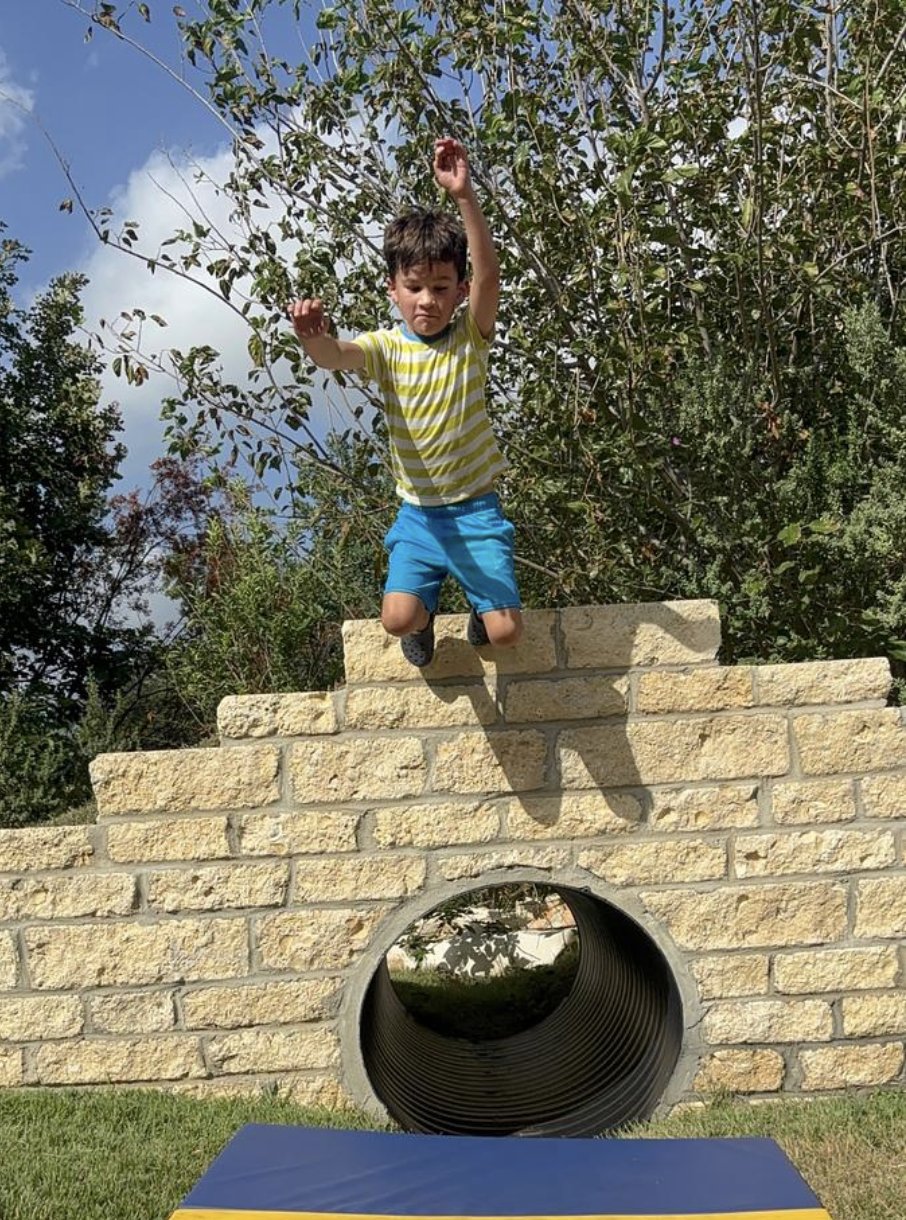
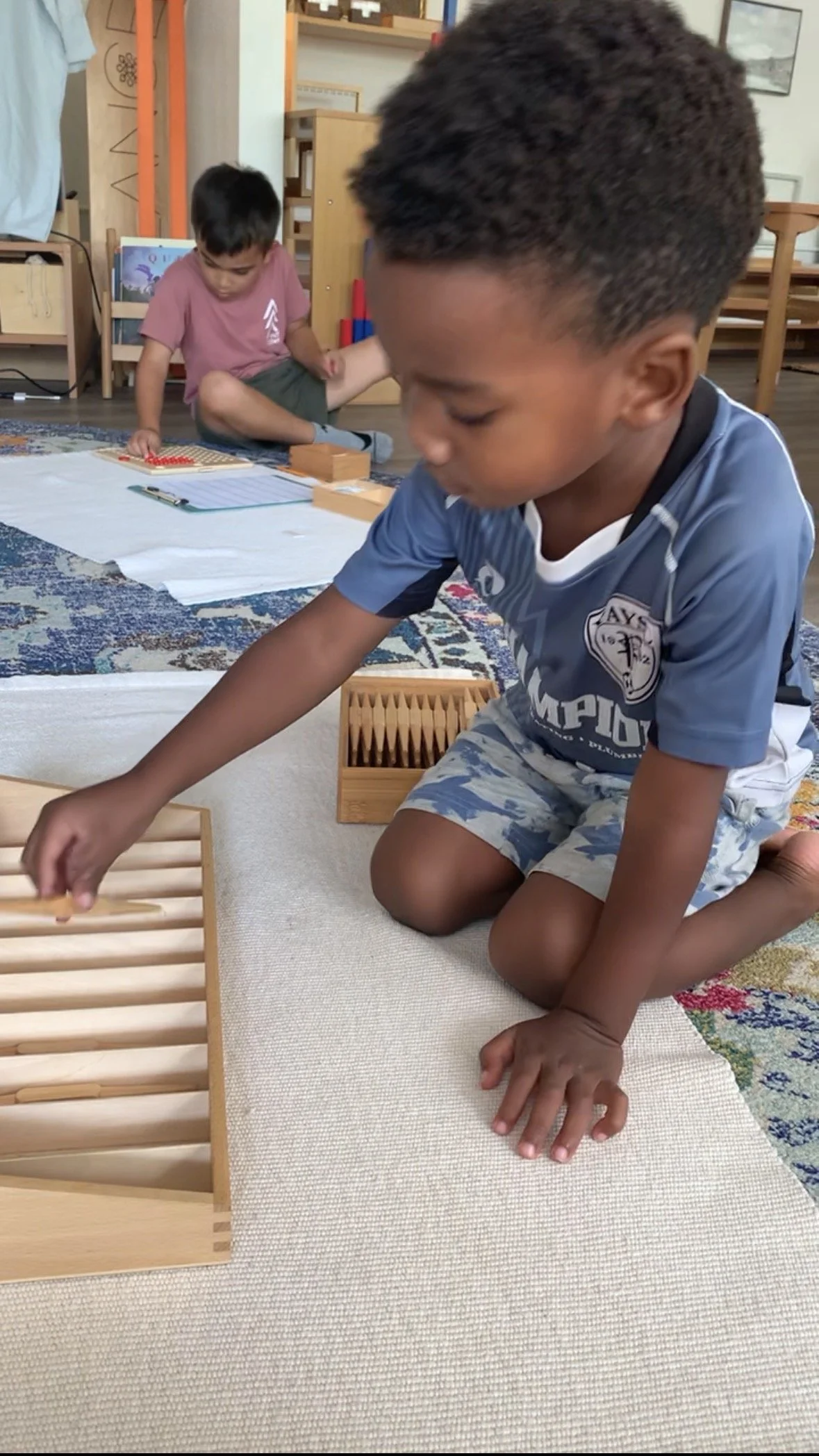
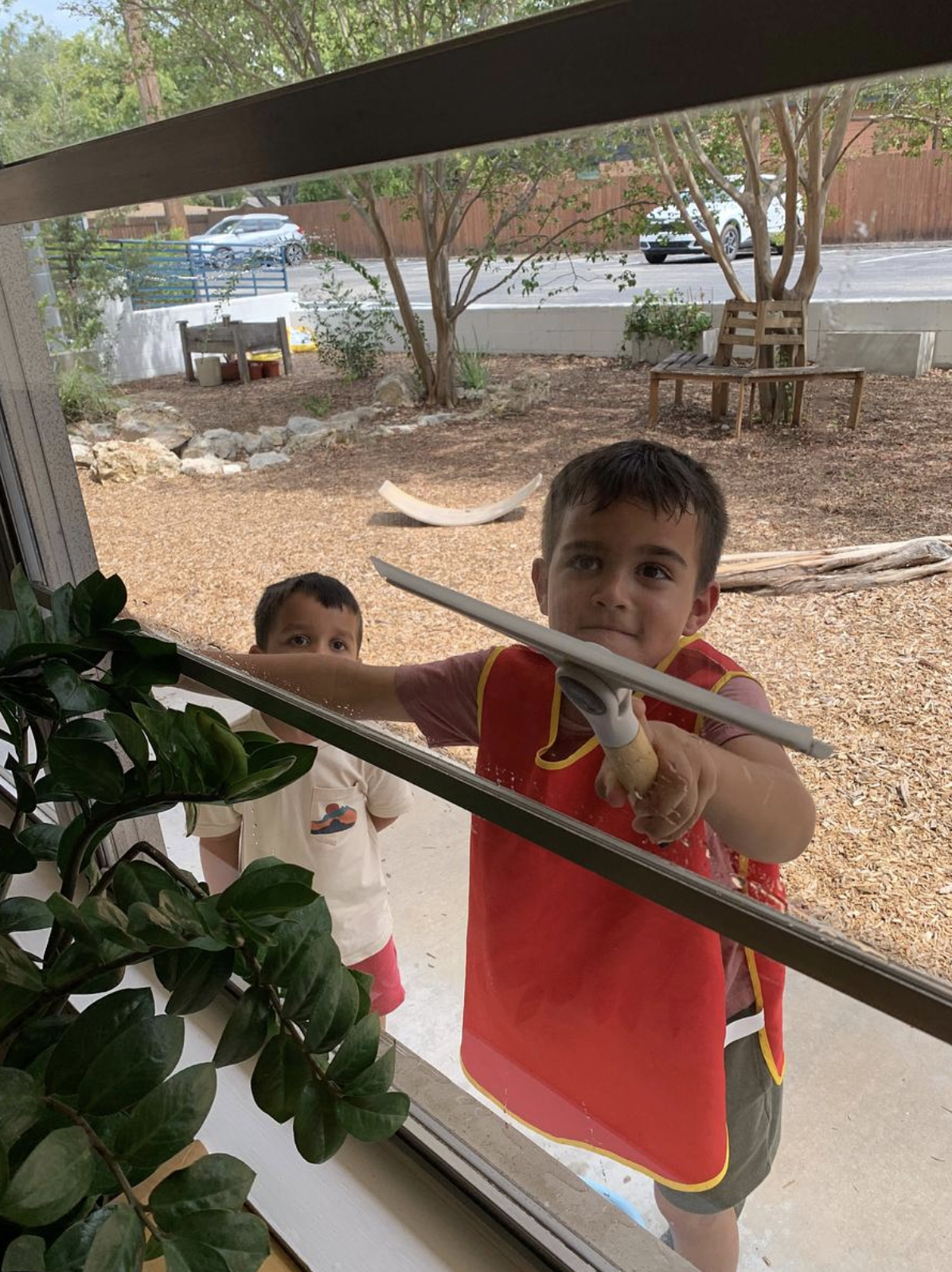
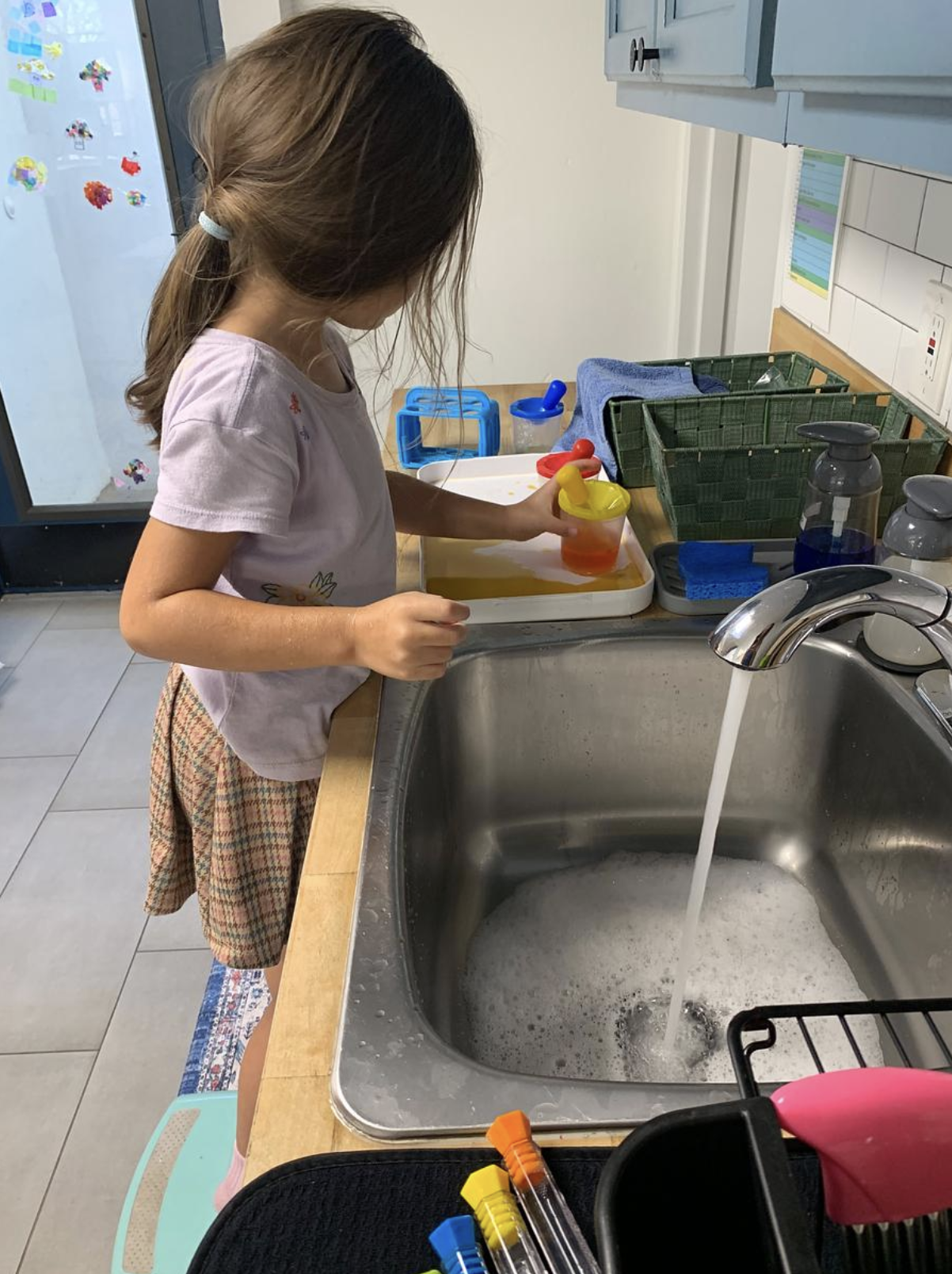
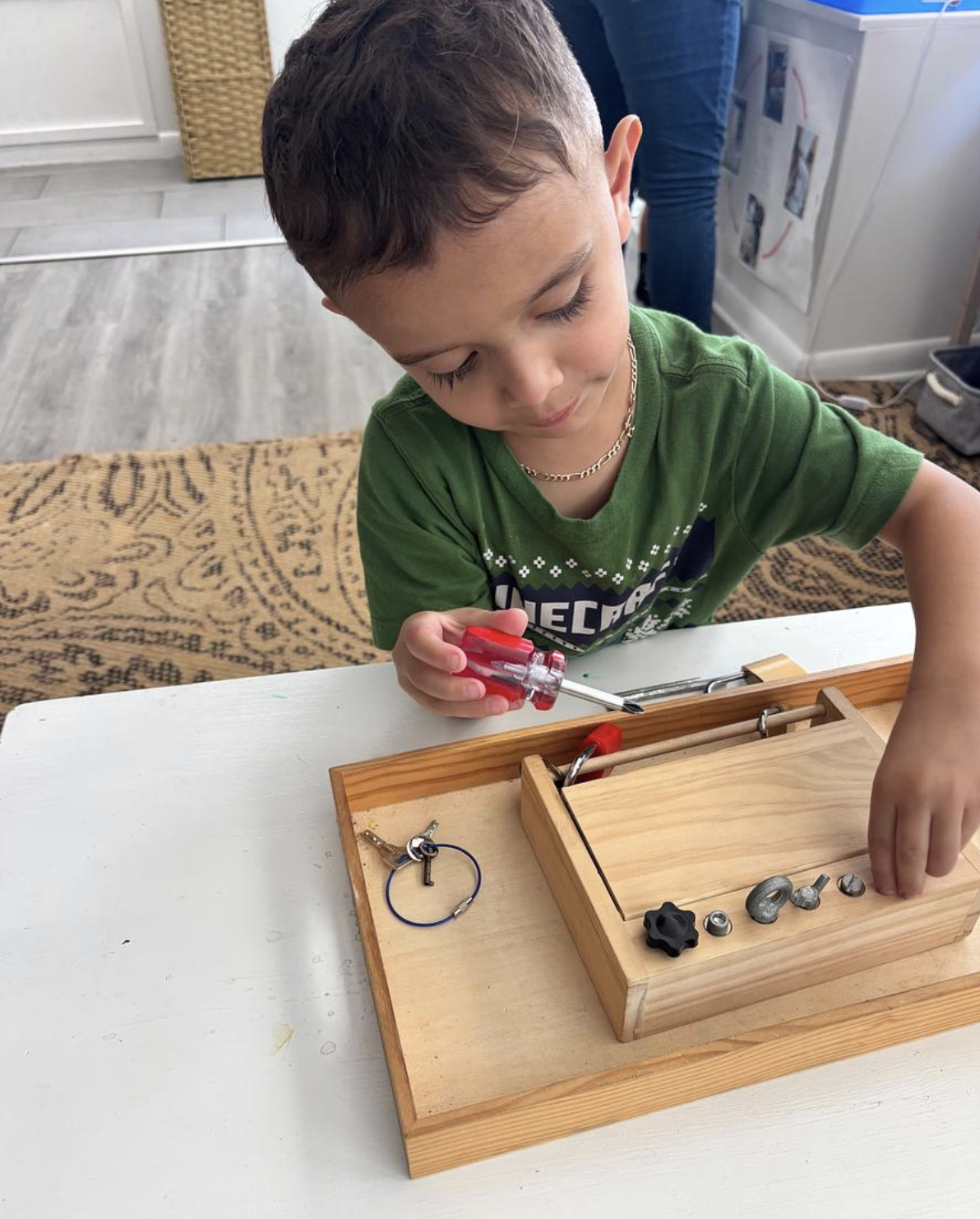
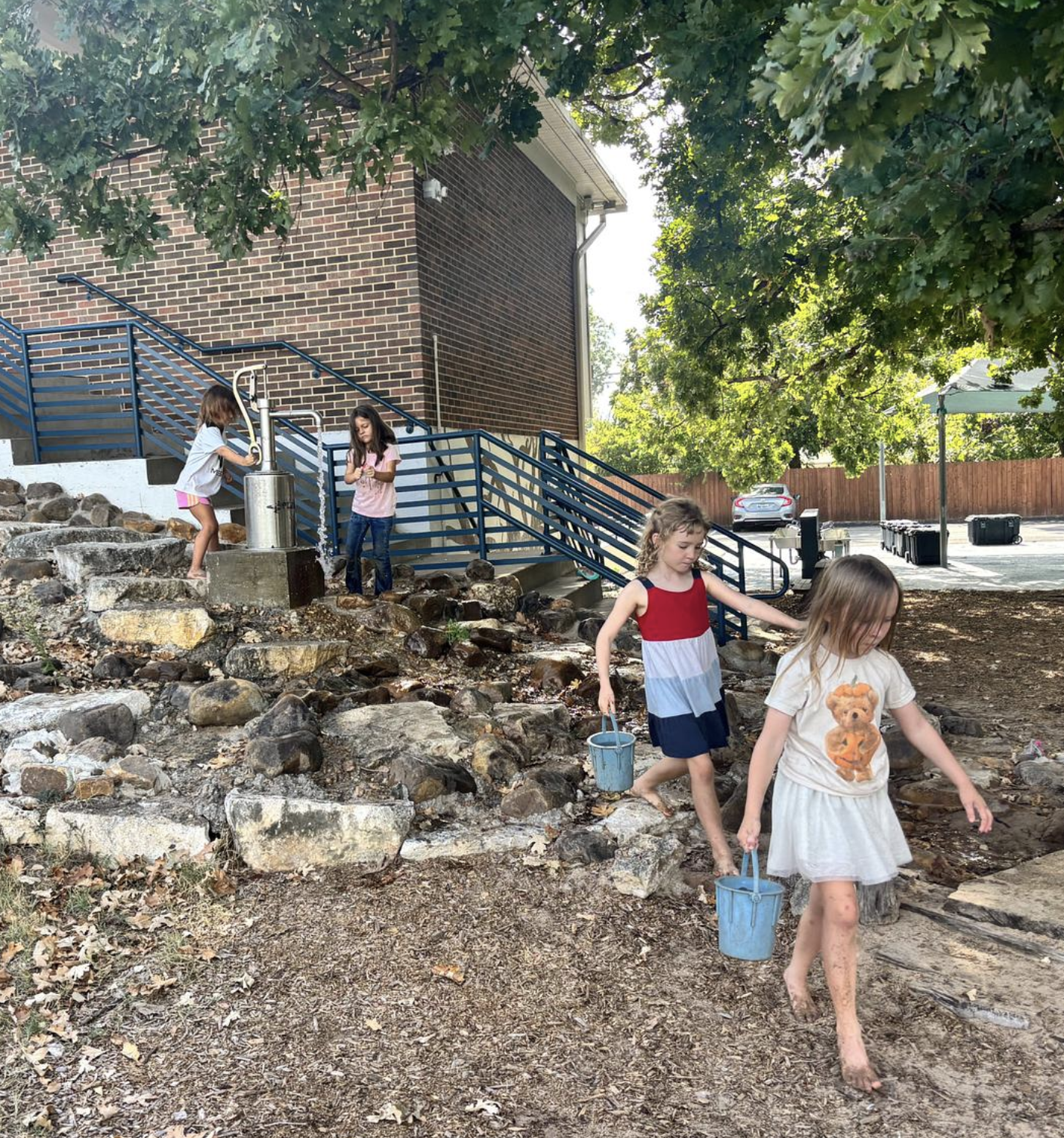
Each day, Sparks have opportunities to discover what they are capable of doing for themselves. Sometimes those opportunities are big, but more often, they are found in the ordinary moments: opening a container, choosing work, carrying a tray, solving a problem, navigating a disagreement, cleaning a spill, or deciding what to try next.
Over time, we begin to notice a quiet but powerful shift:
“Can you do it for me?”
↓
“Can you help me?”
↓
“I think I can try.”
↓
“I know what to do.”
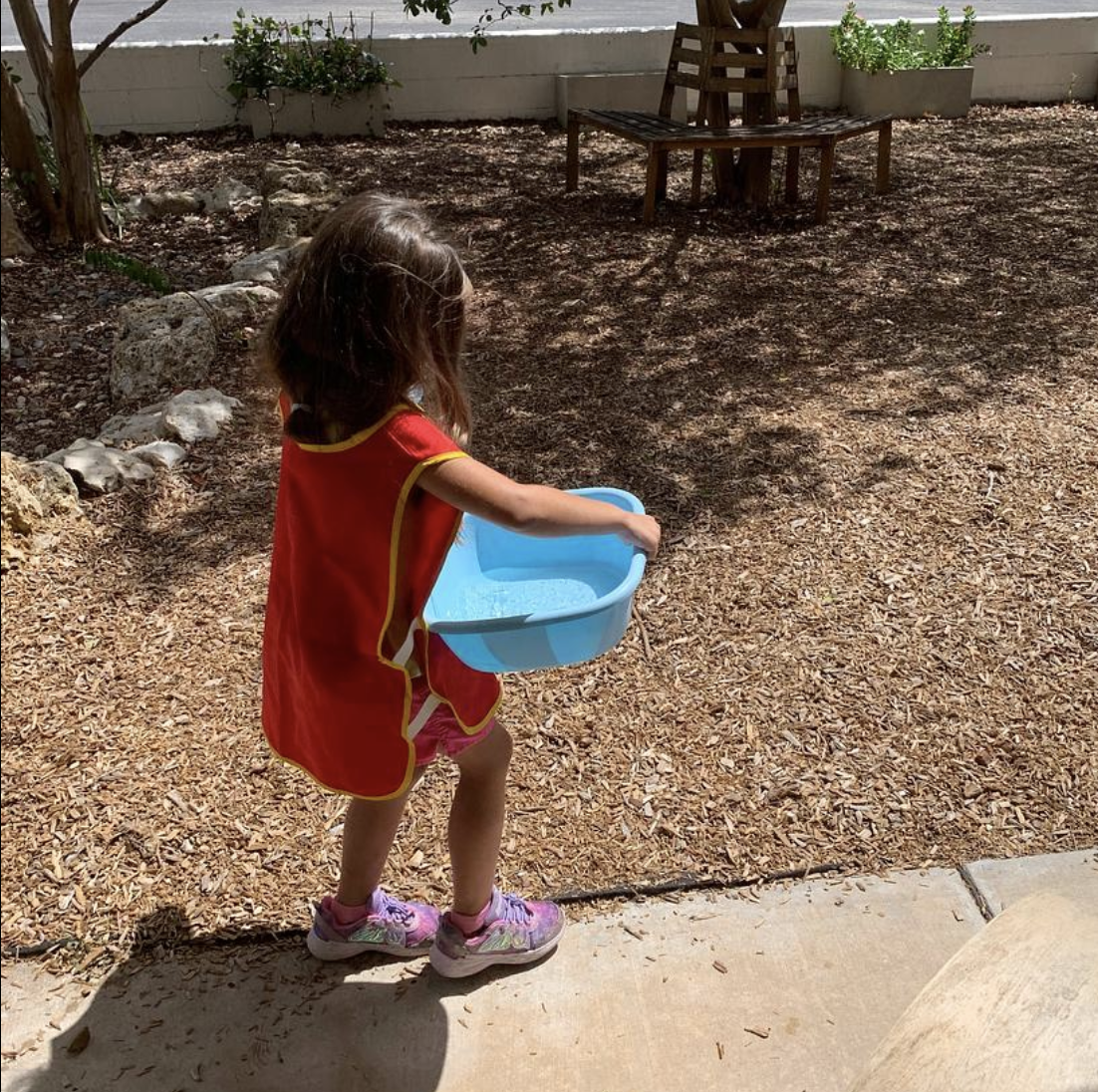
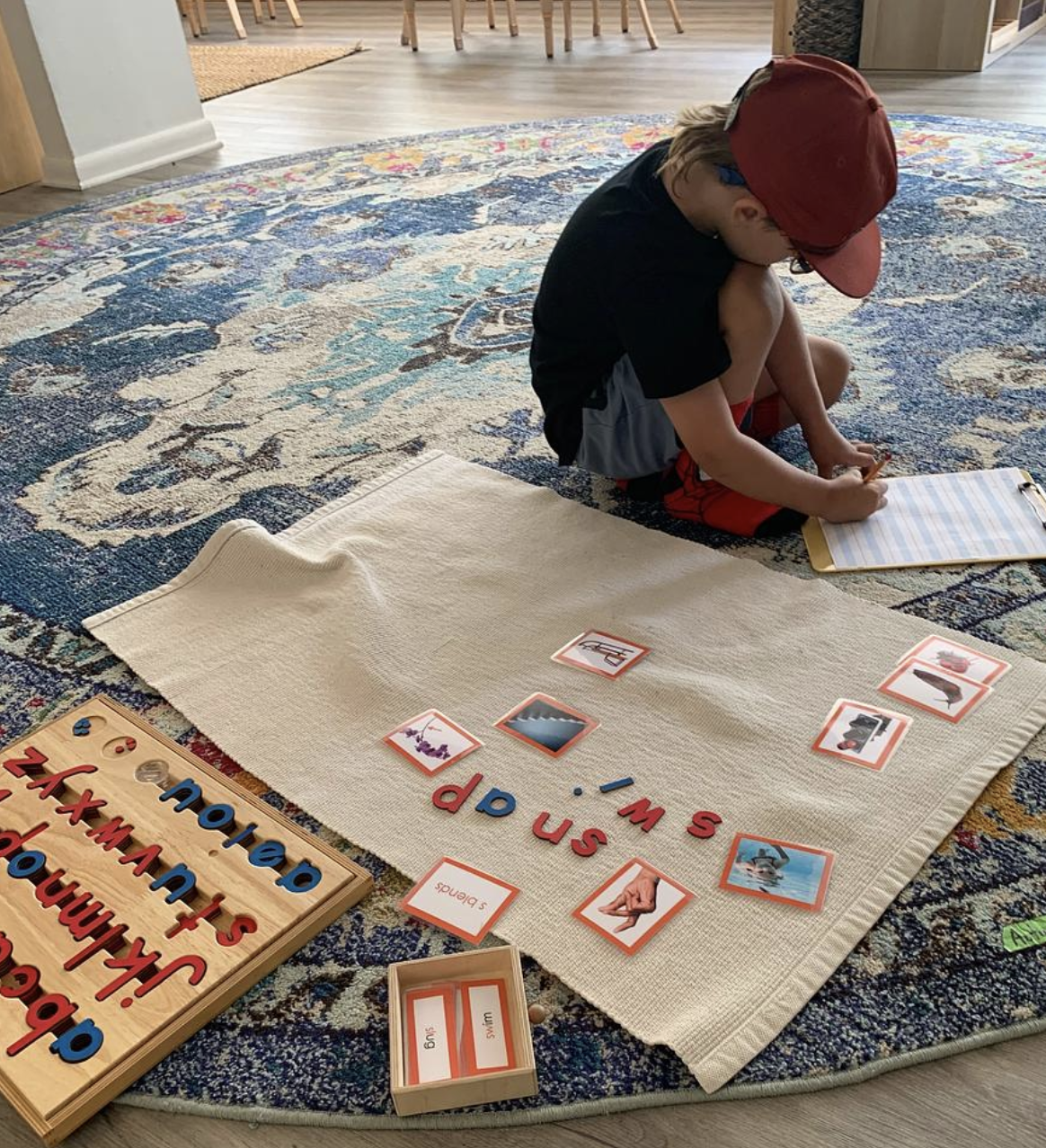
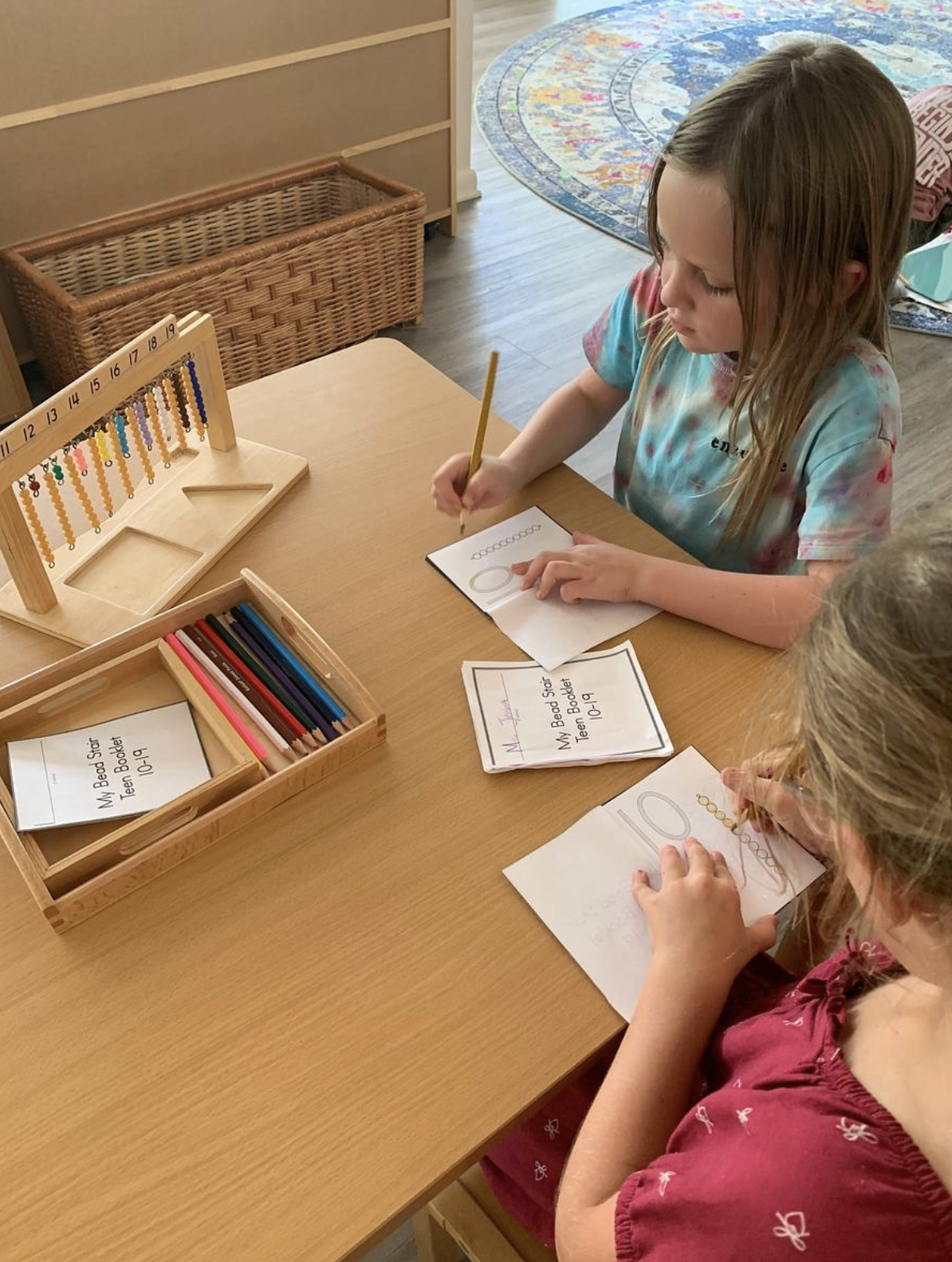
This growth does not happen because adults disappear from the process. It happens because we become thoughtful about how we guide.
Sometimes support means demonstrating. Sometimes it means offering a small hint or asking a question. Sometimes it means resisting the urge to step in, holding enough space and time for a learner to wrestle with something that feels challenging.
Independence in Spark does not mean doing everything alone. It means developing the confidence and awareness to begin asking:
What can I do?
What could I try?
When do I need help?
Each time we pause before doing something a child might be able to do for themselves, we leave room for capability to grow.
And sometimes, the most empowering question we can ask is simply:
What if they can?