What if we pause before we step in?
In our last Spark blog, “What If They Can?”, we explored what becomes possible when adults pause before stepping in and give children space to try.
But what happens when what we see is messy, unexpected, or challenging? A learner uses a material differently than expected, struggles to enter another child’s play, or repeats an action again and again. Our instinct may be to correct. Instead, what if we first get curious?
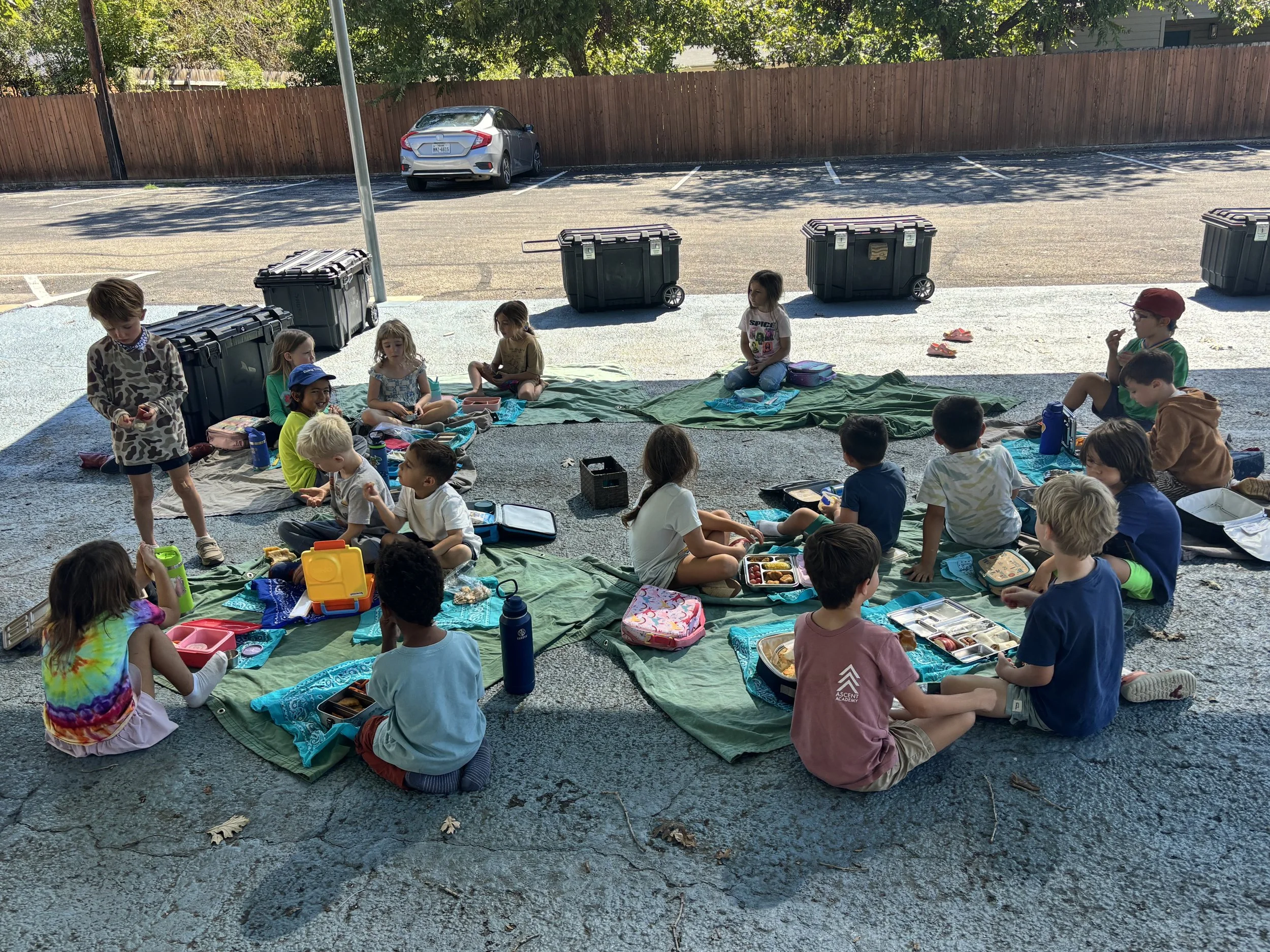
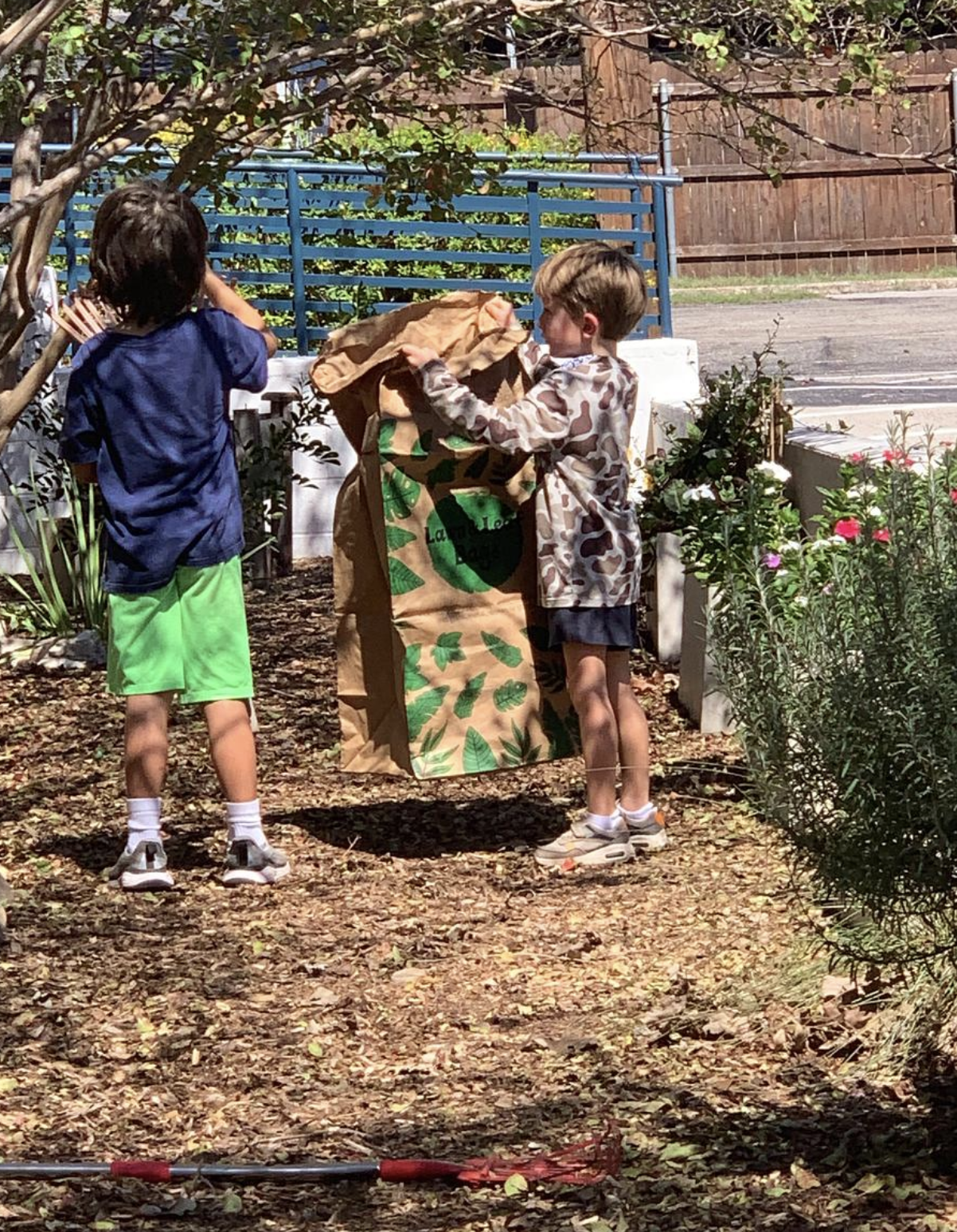
Pause. Notice. Question.
Rather than asking, “How do I stop this?” we might wonder, “What is this child trying to understand or communicate?”
Perhaps they are exploring cause and effect, seeking sensory input, practicing a new skill, or learning to navigate a shared space. What looks like “misbehavior” may actually be exploration, learning, or communication.
Stepping back does not mean ignoring behavior. When something is unsafe, destructive, or unkind, guides provide a clear boundary. The work is recognizing which moments require intervention and which might need observation, patience, or redirection.
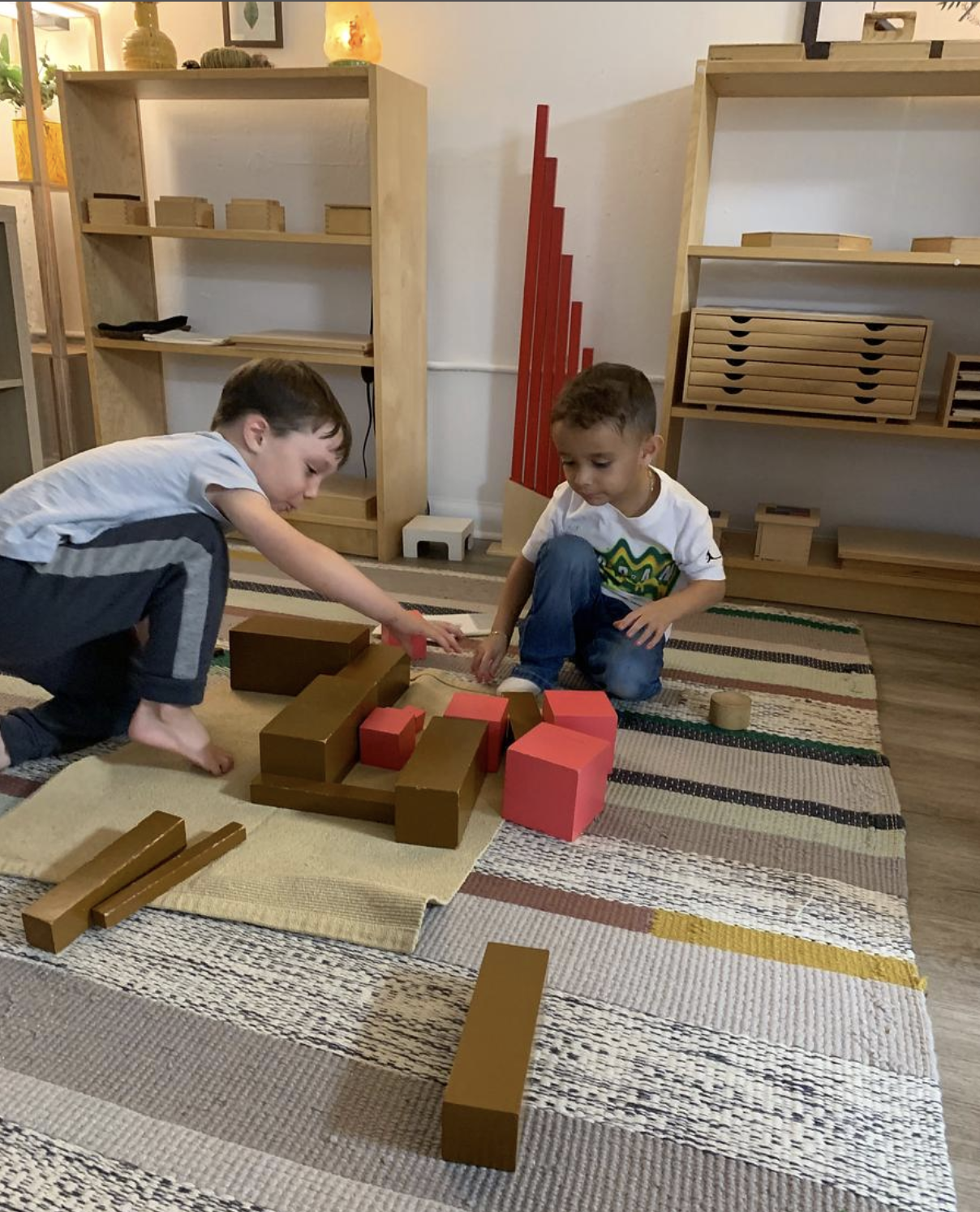
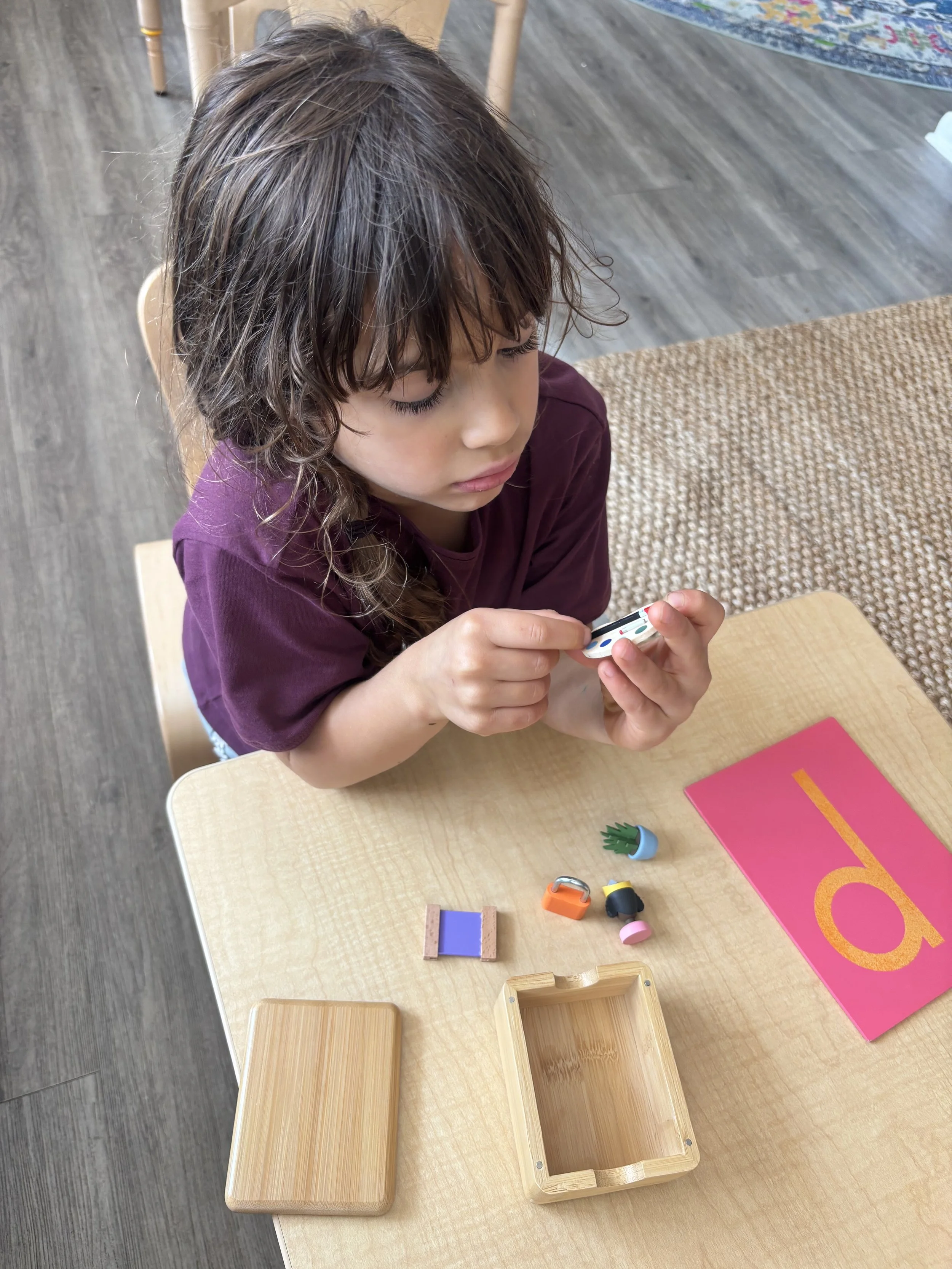
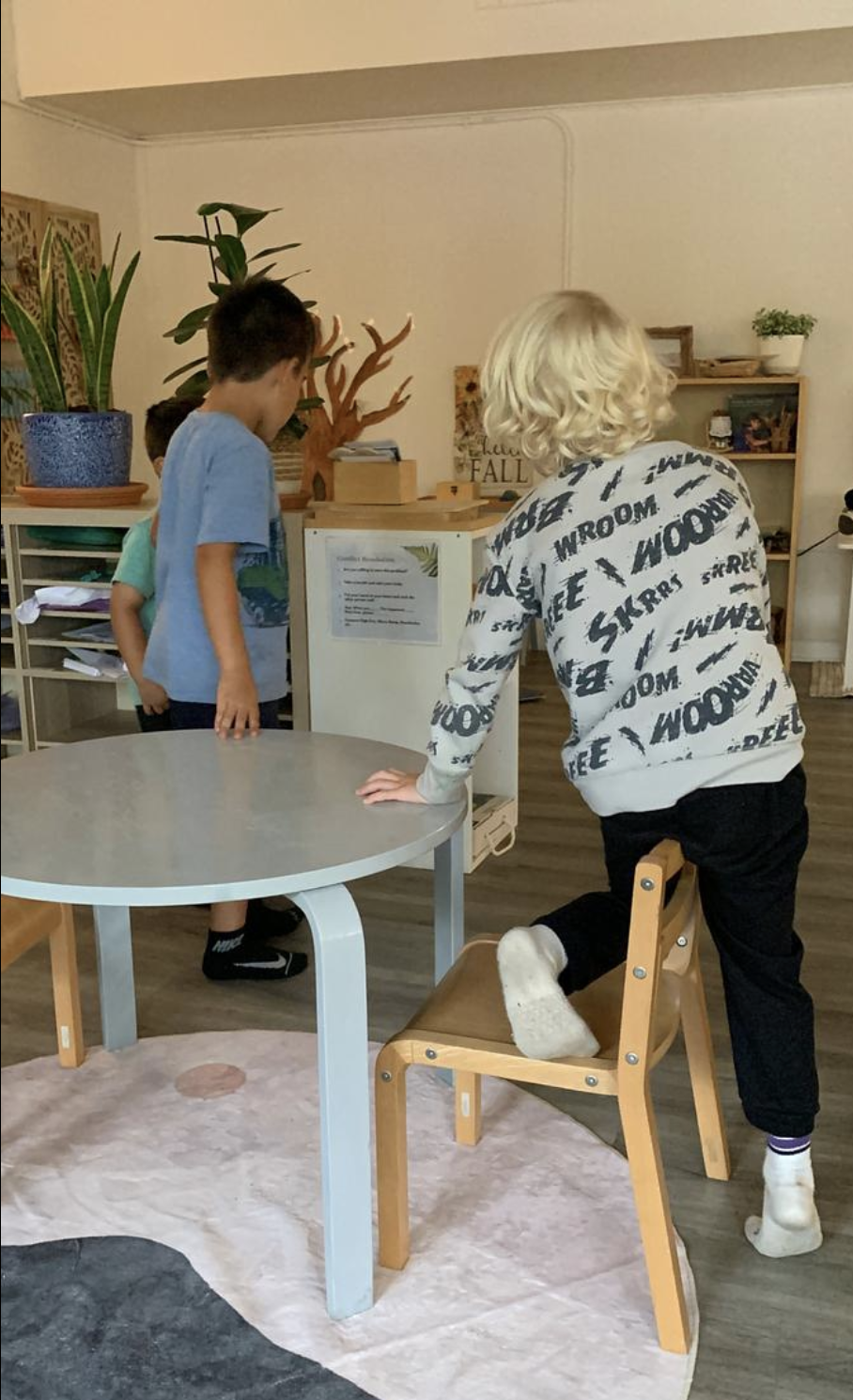
Behavior as Communication
Young learners do not always have the words to explain what is happening. Their behavior often tells part of the story.
We can pause and wonder:
What is this learner seeking?
Is anyone or anything unsafe?
What might they be trying to learn or practice?
Do I need to step in, or can I give them space?
Sometimes our most important work is simply to observe a little longer.
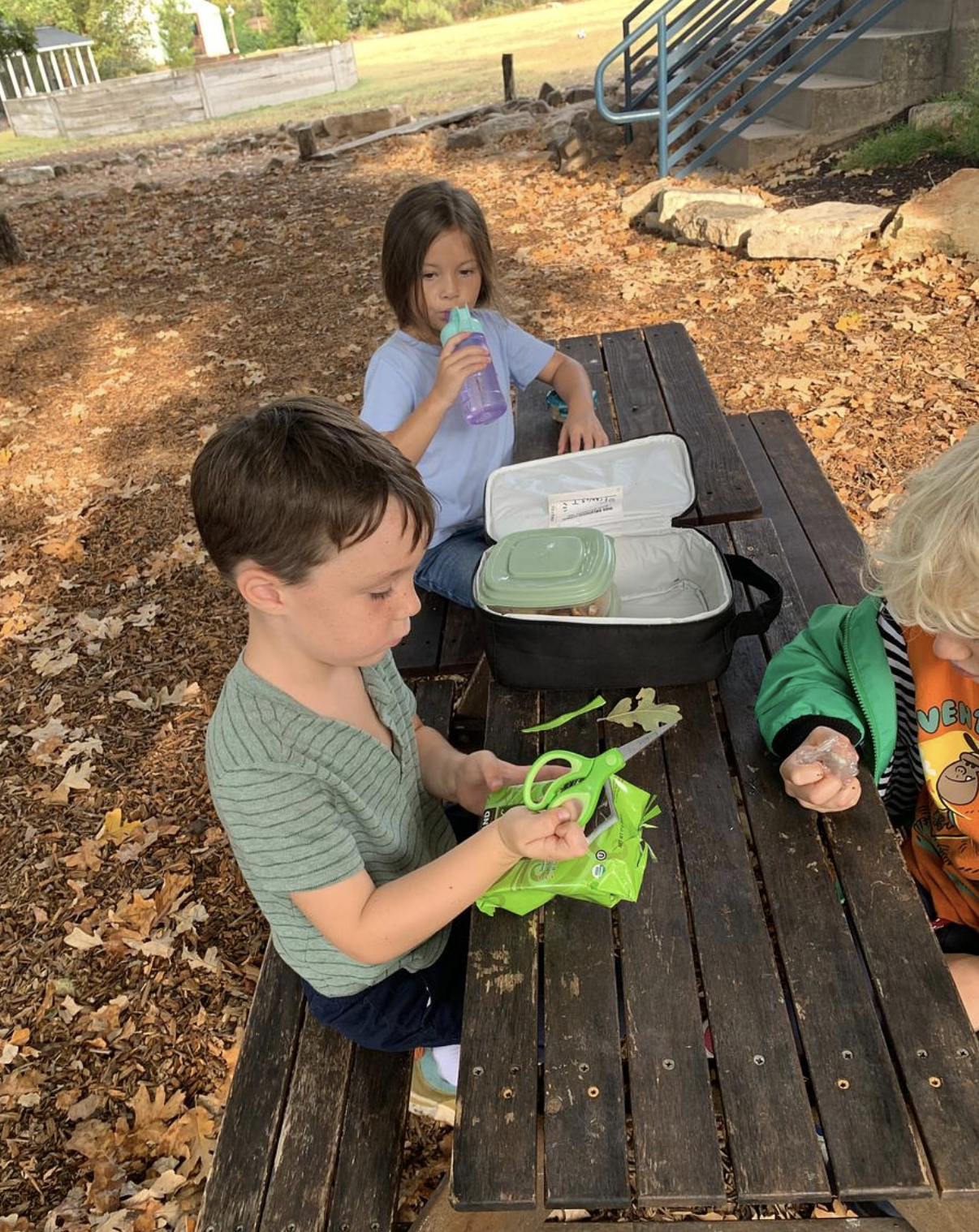
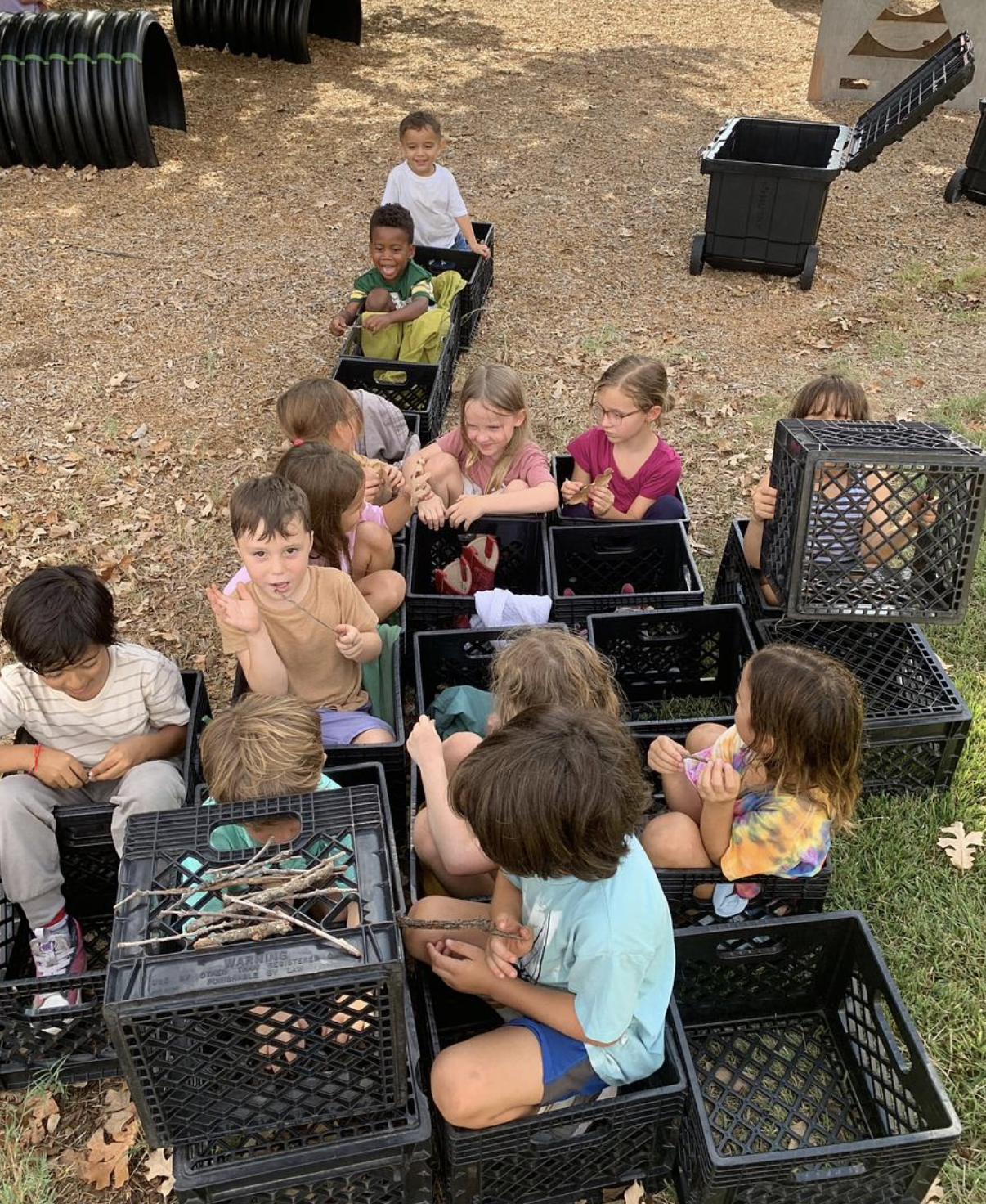
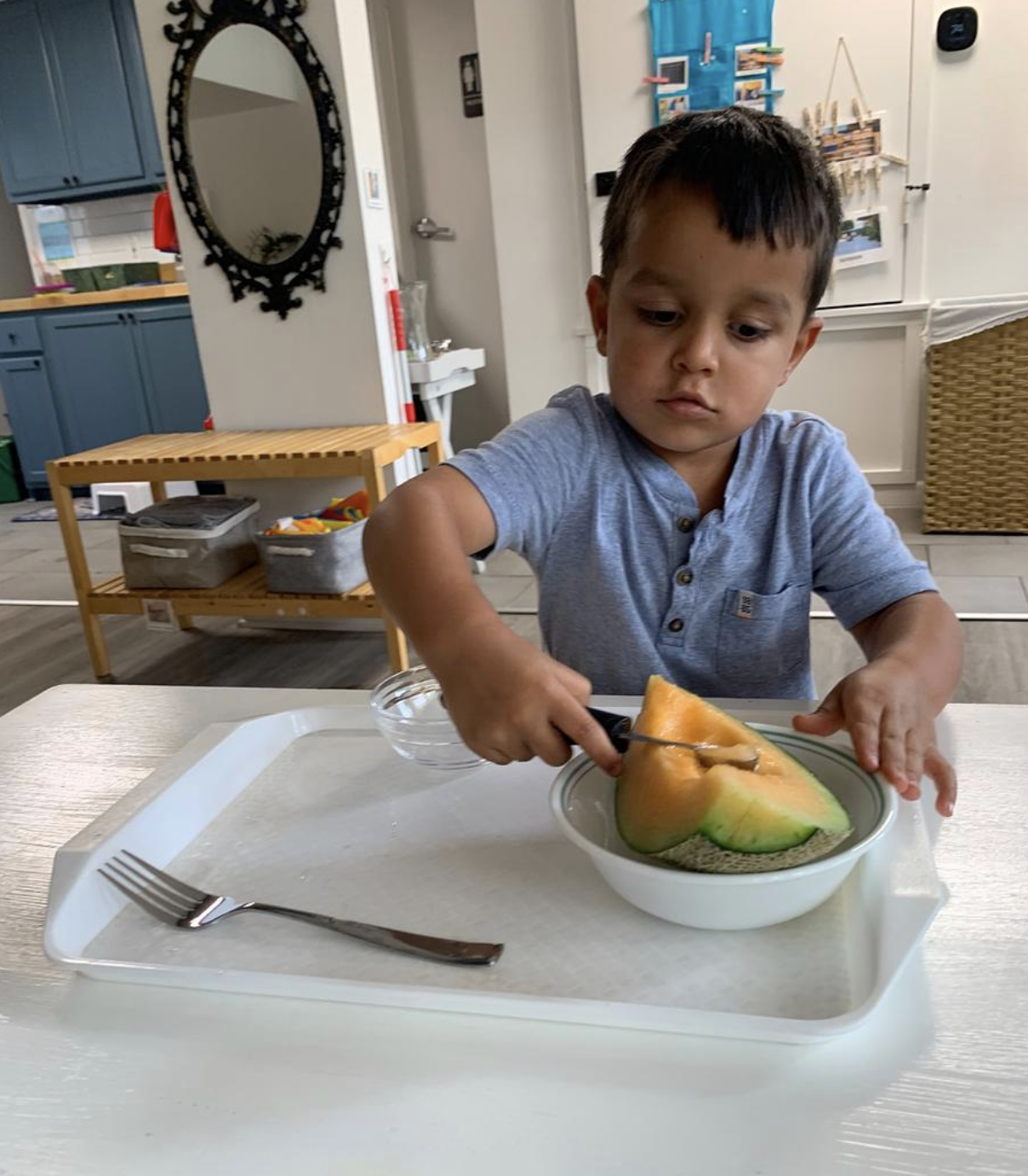
Bringing It Home
This same pause can be powerful at home. When a behavior catches you off guard, rather than beginning with “Stop,” consider first wondering, “What is happening here?”
A boundary may still be needed. Other times, that pause may reveal a child who is experimenting, seeking connection, practicing independence, or simply making sense of their world.
Perhaps the question that follows “What if they can?” is:
“What might they be telling/showing us?”