
What We Miss When We Step In Too Quickly
We’ve always known that a learner-driven environment is a living, breathing thing. But recently, we got another vivid reminder of just how much wisdom our young heroes bring to the table, if we (the adults) are willing to listen.
In any community centered on self-directed learning, there is a delicate balance between the freedom given to young people and the way that freedom is perceived by the outside world. Recent discussions at Ascent have highlighted a familiar disconnect: how adults often catch small glimpses of something- an interaction, a tone, a moment- and begin to form a story about what is happening, while missing the much larger culture that surrounds it.
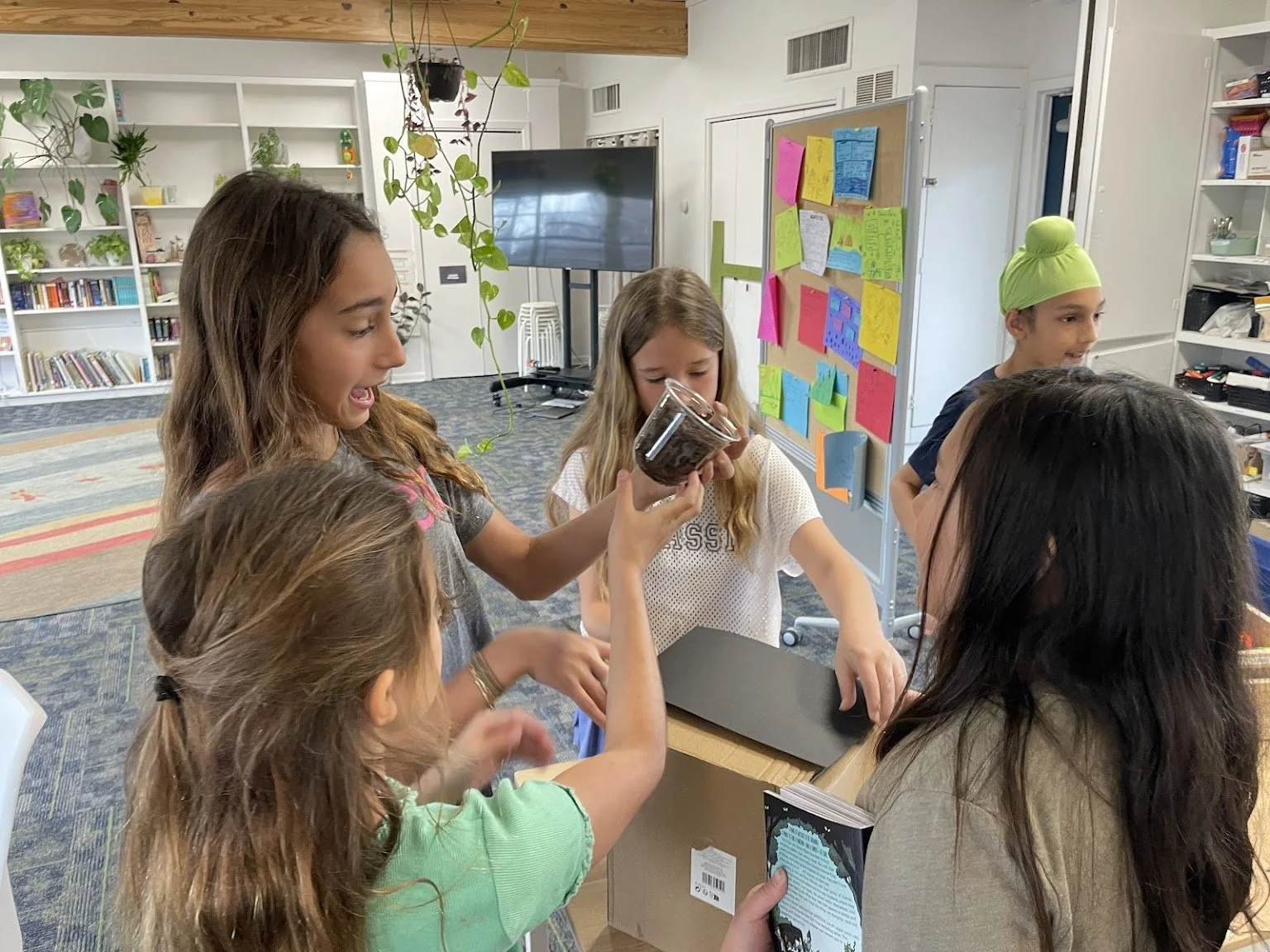
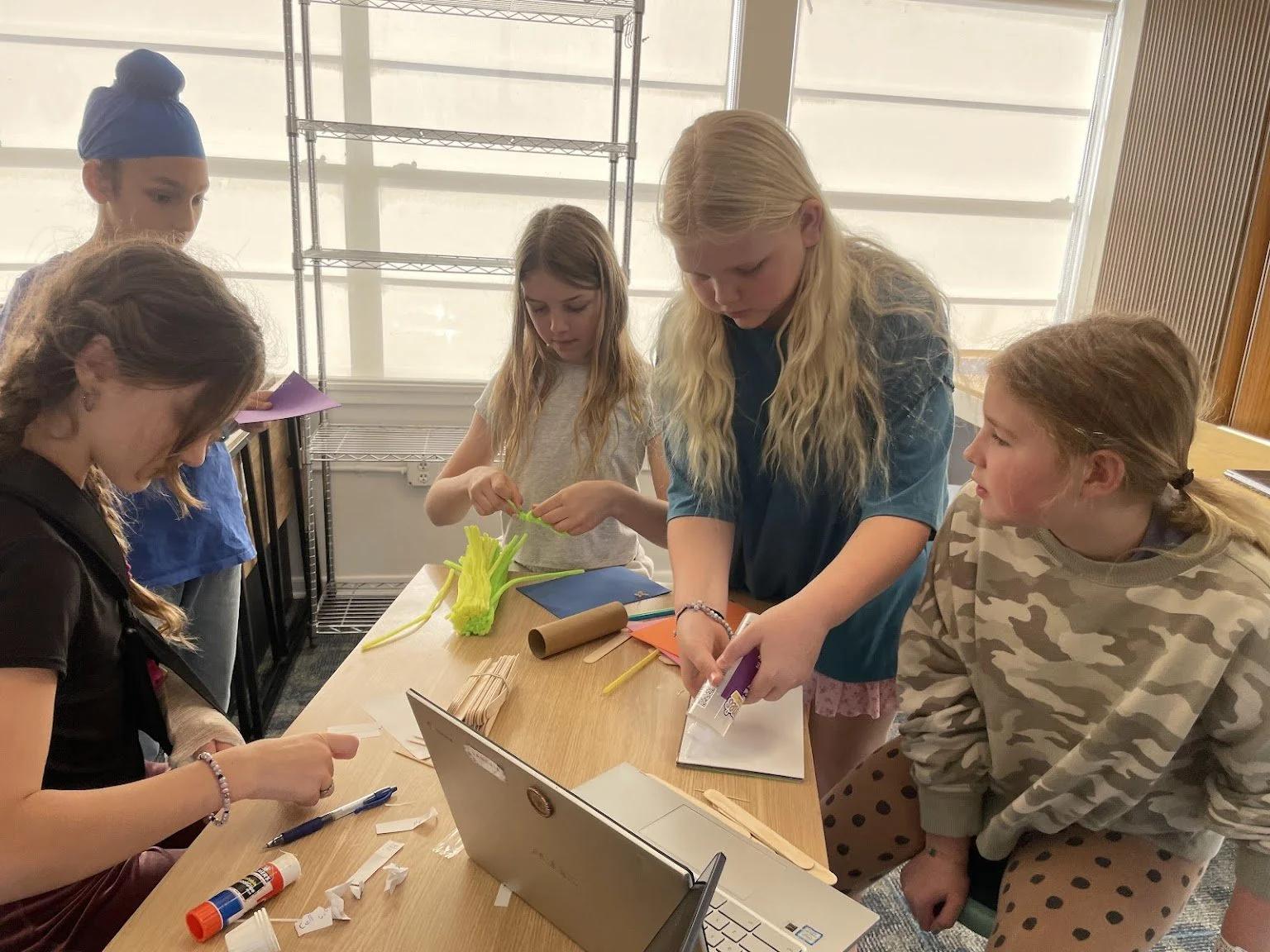
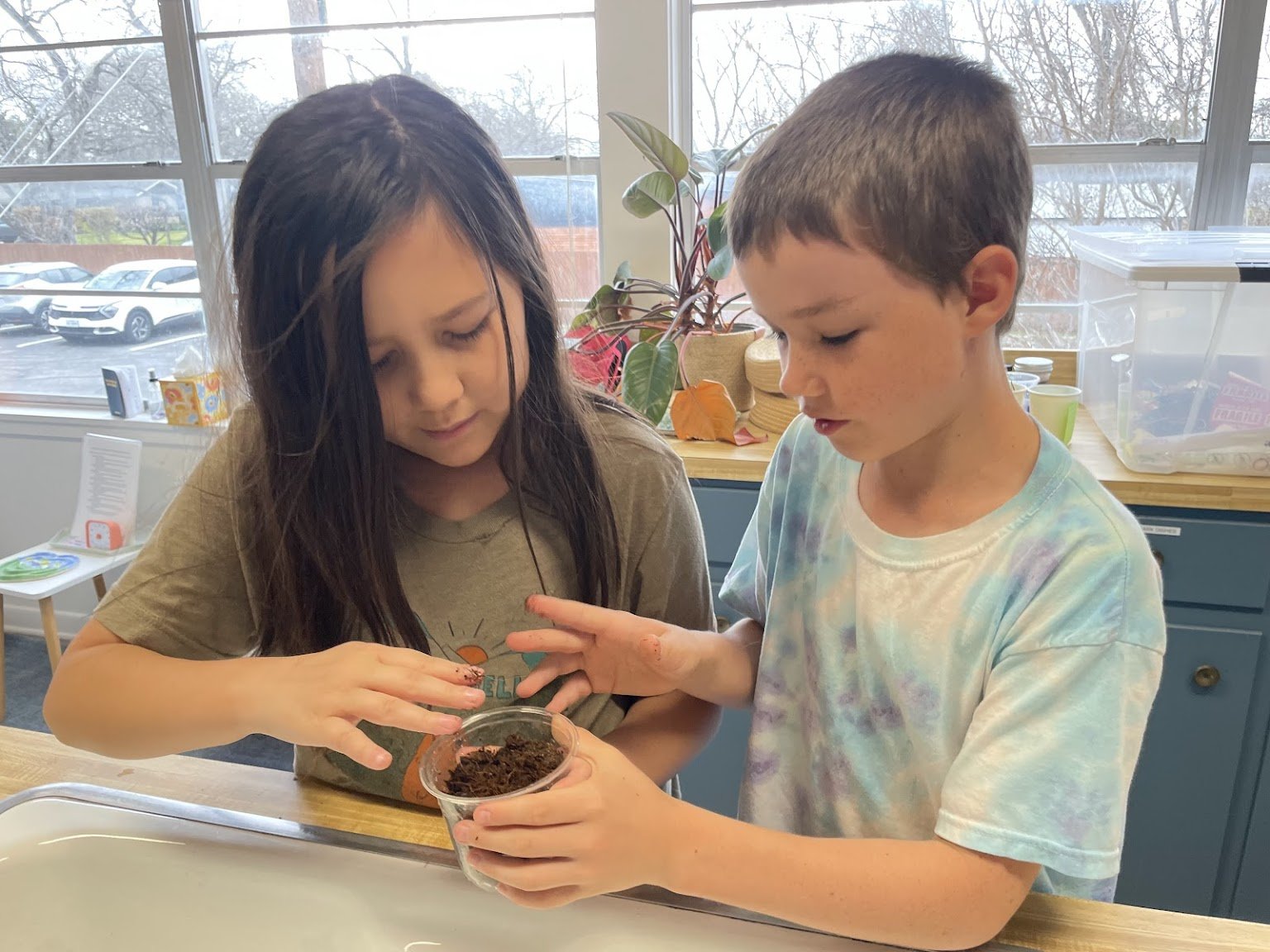
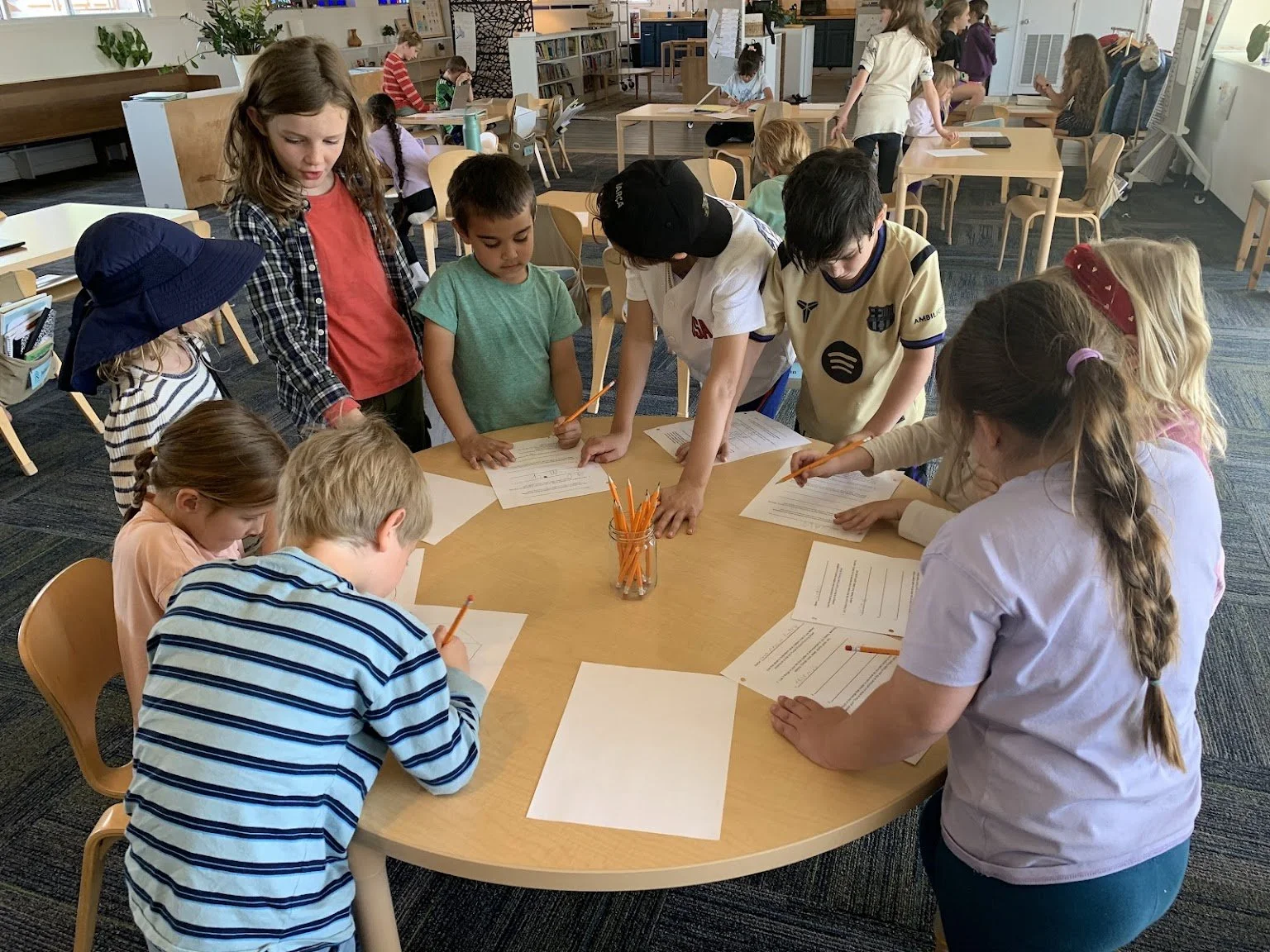
It started earlier this year. Guides and learners noticed that peer-to-peer accountability was holding strong, but that the way it was being expressed was at times blunt and sometimes harsh. As in any human organization, communication is always a work in progress, and culture challenges shift depending on the age of the learners and the stage of the group.
In Explore, learners practice how to give feedback-both in structured settings and in the moment- in ways that actually land and connect. In Discovery, they are working on how to hold accountability while also being aware of tone and impact, especially in moments that feel unfair or frustrating. In Spark, the work looks different and is foundational: learning how to find calm and grounding when language feels limiting.
Over the past month or so, some parents shared concerns in different ways. In brief moments, both in and out of the studio, they observed interactions that felt curt or sharp and wondered whether learners were being as kind to one another as they could be. As adults, this is a natural reaction- to notice something that feels off and move toward fixing it. We found ourselves asking the same questions alongside them. Should we intervene more directly? Should we adjust the way we are guiding? Are we missing something?
Before that line of thinking went too far, the guides did what we come back to, again and again: they brought the question back to the learners
Sometimes these conversations are carefully planned Socratic launches. Other times, they emerge in a more organic way, in response to something real that the community needs to examine together. In this case, it was the latter. Our Elementary Lead Guide, Ms. Samantha Jordan, sat with Discovery and then with Explore and facilitated a conversation that was a combination of solving a problem and making the reality of the community visible to itself.
She began by naming what had been observed- not as a conclusion, but simply as a perception that had been shared: that in certain moments, the way learners were speaking to one another was being experienced by adults as unkind, even mean. And then, rather than interpreting or correcting, she turned it over to them.
She asked where that felt true and where it didn’t. She asked what was actually happening in those moments, what it sounded like, and what the impact was. There was no rush to move past it, and no attempt to smooth over the tension. At times, learners agreed and at times, they pushed back. They added nuance that an adult, only catching a fragment of the interaction, simply wouldn’t have access to.
As the conversations unfolded, something important became clear. The learners were not unaware of their gaps. They could name it and see where sometimes tone didn’t match intention and where accountability came out sharper than they meant it to. They spoke about how their closeness as a group shapes the way they communicate, and how that same closeness can sometimes lead them to forget how their words might land in the moment.
They also pushed on bigger questions. What does respect actually require of you? To what extent do you adjust your language for someone else, and when is that necessary? (Ask your Explorer about the “dog backwards word” debate.) What is the difference between empathy and sympathy in the middle of a real interaction?
And when they were told that there is a perception that they are not kind enough to one another, one learner said this:
“It’s so easy to see the bad and hear one negative thing when you come to pick someone up or something. It’s much harder to notice the good things and there are so many good things that we do all day, so I think sometimes people choose to focus on the negative parts that they see or hear in the moment, and not think about all of the positive moments that go unnoticed.”
Across both studios, the conclusion was grounded and did not feel dismissive or self-congratulatory. In essence: we know we have things to work on, and we are working on them. We care about each other. And this is part of the process.
This is not about accepting mediocrity in how we treat one another- they hold a very high bar- but the path to reaching it is not clean or immediate. It is iterative and involves missteps, reflection, repair, and trying again. They are in the real work of being human.
To land the session, the learners received feedback from someone who had only known them for a few hours. The Explorers volunteered at Community First Village in Austin, helping to garden for the neighbors who call it home. As they were leaving, the manager pulled Samantha Jansky aside and said, “It was so great to hear how they speak to each other. They are so kind and respectful. You can tell they are a close group and care about each other.”
We’ll leave you with a quote from Alan Watts: “Real education is not preparation for life; it is actually living.” Kindness and respect are not things we isolate, teach, and check off. They are built moment by moment, interaction by interaction, inside a real community with real stakes.
Our role as adults is not to remove that complexity or rush it to resolution. It is to hold the space, reflect what we see, and trust that, over time, the learners will rise to meet the standard they are setting for themselves.