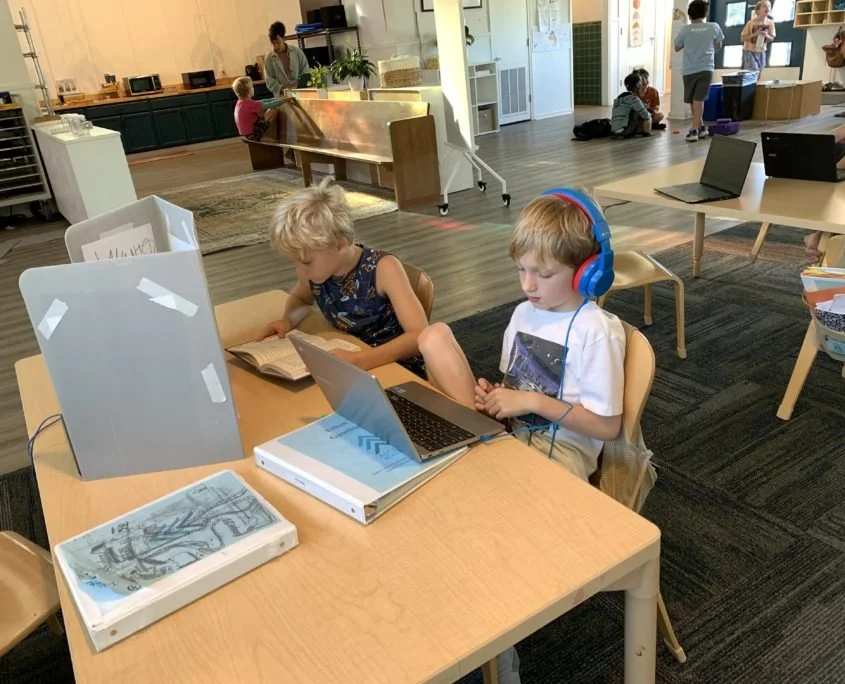
Why Hitting Every Goal Isn’t the Win You Think It Is
What if every child knew how to break down a dream into manageable and challenging goals?
Imagine this: Your child comes to you and says,
“I feel like I failed because I achieved all of my goals today.”
You pause. “What do you mean? It sounds like you accomplished everything you set out to do?”
“Yes, but my goals weren’t SMART. They were too easy, and they weren’t specific enough.”
The learners at Ascent often share that they do not feel satisfied when reflecting on their goals and they handedly accomplished all of them. A well made SMART goal shouldn’t be easy to set or easy to accomplish, it’s the challenge and the journey to overcome that challenge that brings the satisfaction they crave with accomplishment.
For a learner with only a handful of years of life experience, this kind of insight is extraordinary. It shows the power of the process. Once children internalize SMART goals, their outcomes and experience become much more rewarding.
Being able to identify a specific outcome that is relevant to your journey, break it into measurable steps, and accomplish it by a clear deadline– all while ensuring it’s challenging enough to stretch you- requires a level of organization and determination that many adults never learn. On the surface, goal-setting seems simple: decide what you want, write it down, do it. But there’s far more beneath the surface.
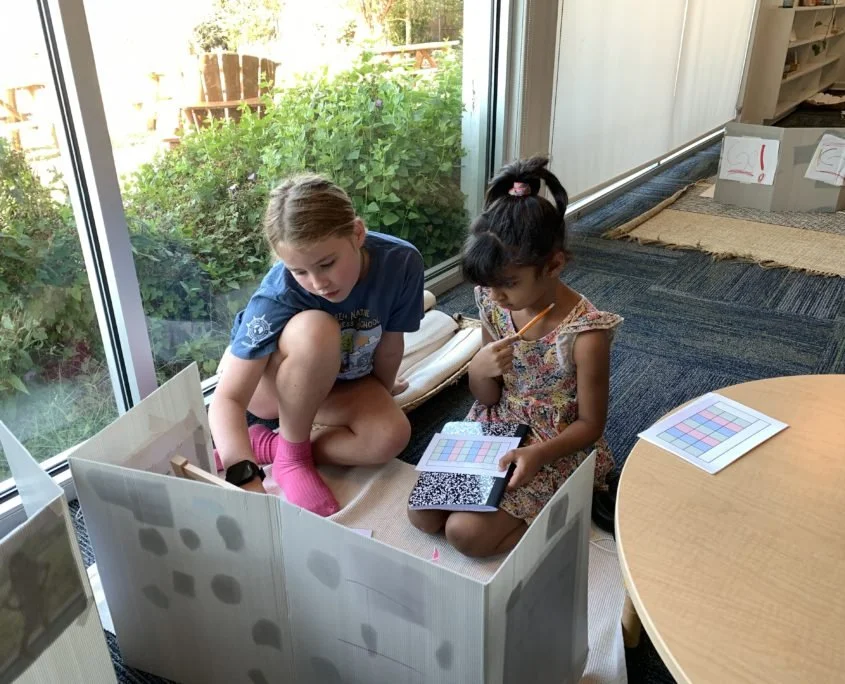
What we mean by SMART
At Ascent we define SMART goals this way:
Specific – clear and detailed, not vague
Measurable – progress can be tracked
Achievable – ambitious but realistic
Relevant – tied to your larger journey or badge plan
Tough (& Time-Bound) – pushes one near the edge of their challenge zone and has a clear deadline

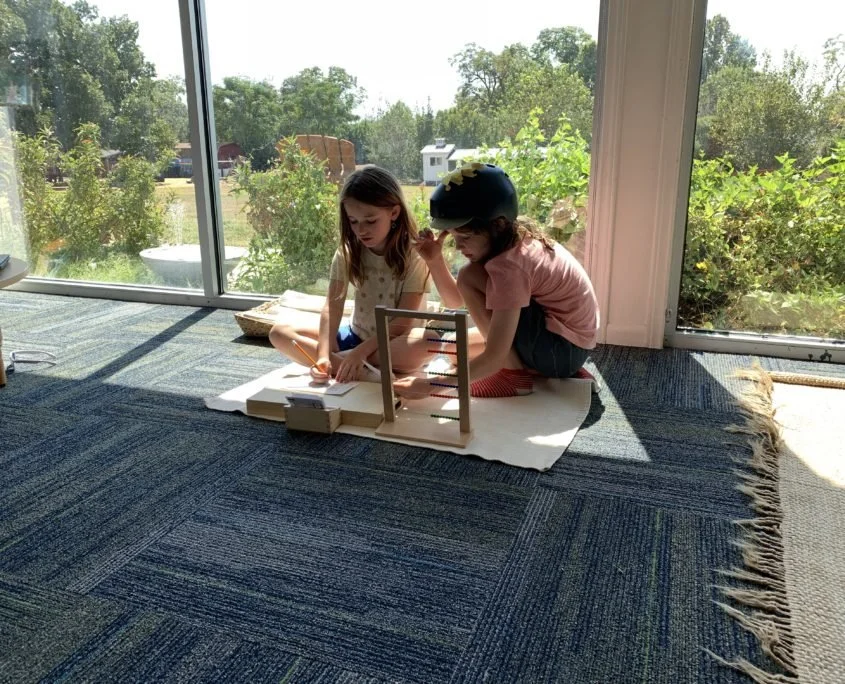
How SMART Goals work in Explore & Discovery
In Explore, learners use their Badge Plan to map out long-term goals for the year. These are broken down into session-long goals (5-6 weeks), and then finally into weekly goals. For some that plan looks like a literal map, for others it’s a chart or list.
Discovery learners follow a similar process on a slightly shorter timeline, focusing more on session-long goals than annual ones.
Each day, they all face important decisions:
“I didn’t accomplish my math goal last week, should I return to it or shift to my reading goal?”
“I’m on a roll with my Badge book but was just getting unstuck in Beast Academy, should I pivot?”
“My Montessori partner is here today but out next week. Should I adjust my priorities?”
“I’ve finally found joy in math after months of struggle,should I double down or seek balance?”
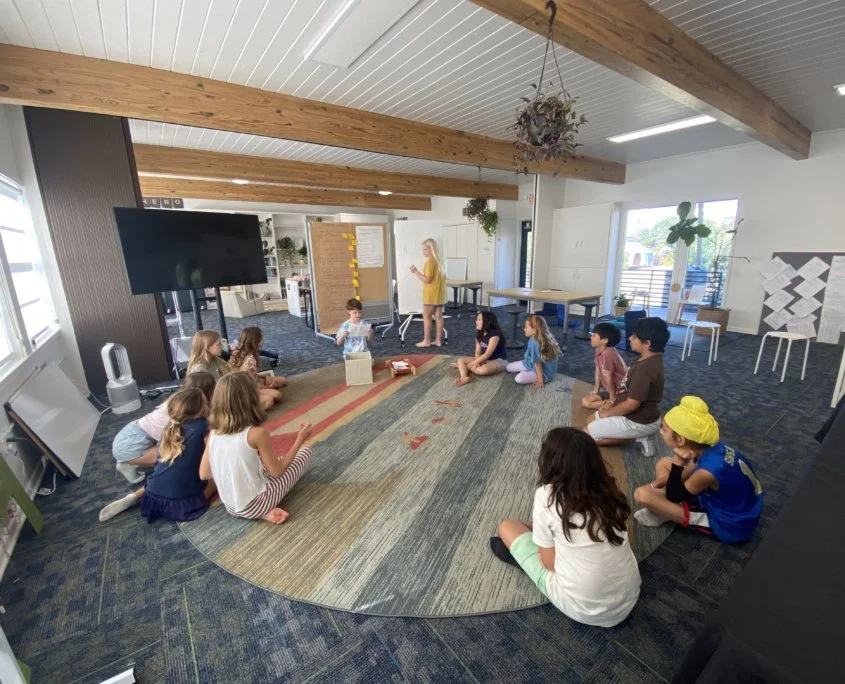
After reflecting on badge plans, long-term goals, and the previous week’s work, learners set their daily SMART goals. In Explore they log them in Journey Tracker and in Discovery they handwrite them on Weekly Agendas (but will soon move to Journey Tracker as well). Then they share their goals with their Fellow Travelers in small circles for accountability. Peers give feedback to make goals sharper and more SMART before the work begins.
Most importantly, learners are the ones who ultimately facilitate this process.
Reflection: The second half of goal-setting
Research shows that learning sticks through reflection. At the end of each work cycle, learners mark their goals as “not started,” “started but not completed,” or “completed/exceeded.” They update Journey Tracker or their Weekly Agendas and discuss with their group, fielding questions like:
“Why didn’t you complete your goal: was it too tough or were you distracted?”
“You’ve set this goal three days in a row, are you stuck or is it bigger than you thought?”
“That goal was easy and you exceeded it, what will you do differently tomorrow?”
“Your goal was tough and you stuck with it, what worked?”
It’s not always smooth. Many learners start with vague or low-effort goals, but will improve with feedback and reflection. We’d rather they wrestle with this skill now, while the stakes are low and the process is fun, than wait until adulthood.
What SMART goals really teach
This process doesn’t just teach organization and focus. It builds grit, a growth mindset, and a healthy relationship with challenges. As we shared in our “What Does Work Look Like at Ascent?” post, learners don’t see a page full of green checkmarks as automatic success; they see it as a sign their goals may have been too easy.
True success is the courage to set a nearly unattainable goal (just within reach), to go for it, and get farther than you thought possible.
Voices from the Studio
A few snippets overheard in one week in Explore:
Learner 1: “I don’t know what to do.”
Learner 2: “You know.”
(One minute later)
Learner 1: “I can’t do this.”
Learner 2: “You can.”
And another:
Learner 1: “Why aren’t you doing your work?”
Learner 2: (inaudible)
Learner 3: “What else can you do? You will face challenges no matter what, so it better not to try to avoid them.”
How to relate as parents
SMART goals are part of the critical life skills your child will carry everywhere. At home, you can practice by asking simple questions:
What exactly are you trying to do? (Specific)
How will you know if you did it? (Measurable)
Is this something you can reasonably finish? (Achievable)
Does it connect to something important to you? (Relevant)
Does it push you into your challenge zone? (Tough)
It could be as simple as finishing a Lego build, learning a song, or baking cookies. The point isn’t the task, it’s the muscle they build in clarifying what matters, breaking it down, and following through. When you join them in the process, you’re reinforcing the same skills they’re practicing at Ascent: persistence, ownership, and courage in the face of challenge.
At Ascent, SMART goals serve as daily practice that helps children become the kind of people who can dream big, plan wisely, and take courageous action.