
What happens when children write the rules?
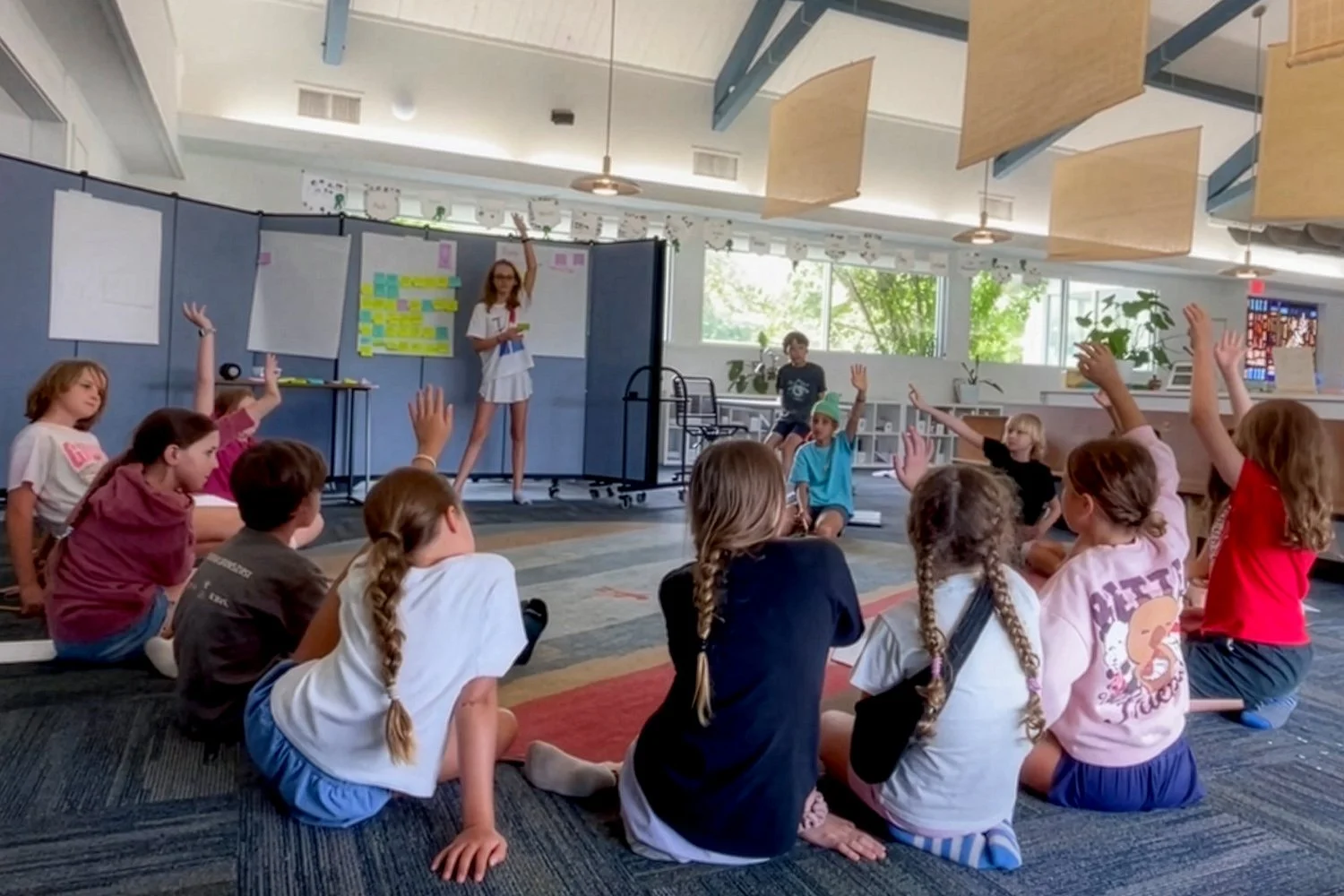
When we tell people that the young learners at Ascent write the rules, the first reaction we get is often doubt: "Yeah, right. I bet it's really an adult."
The second is skepticism about their standards: "Cool, I bet they make rules so they get to play all day and eat whatever they want, whenever they want."
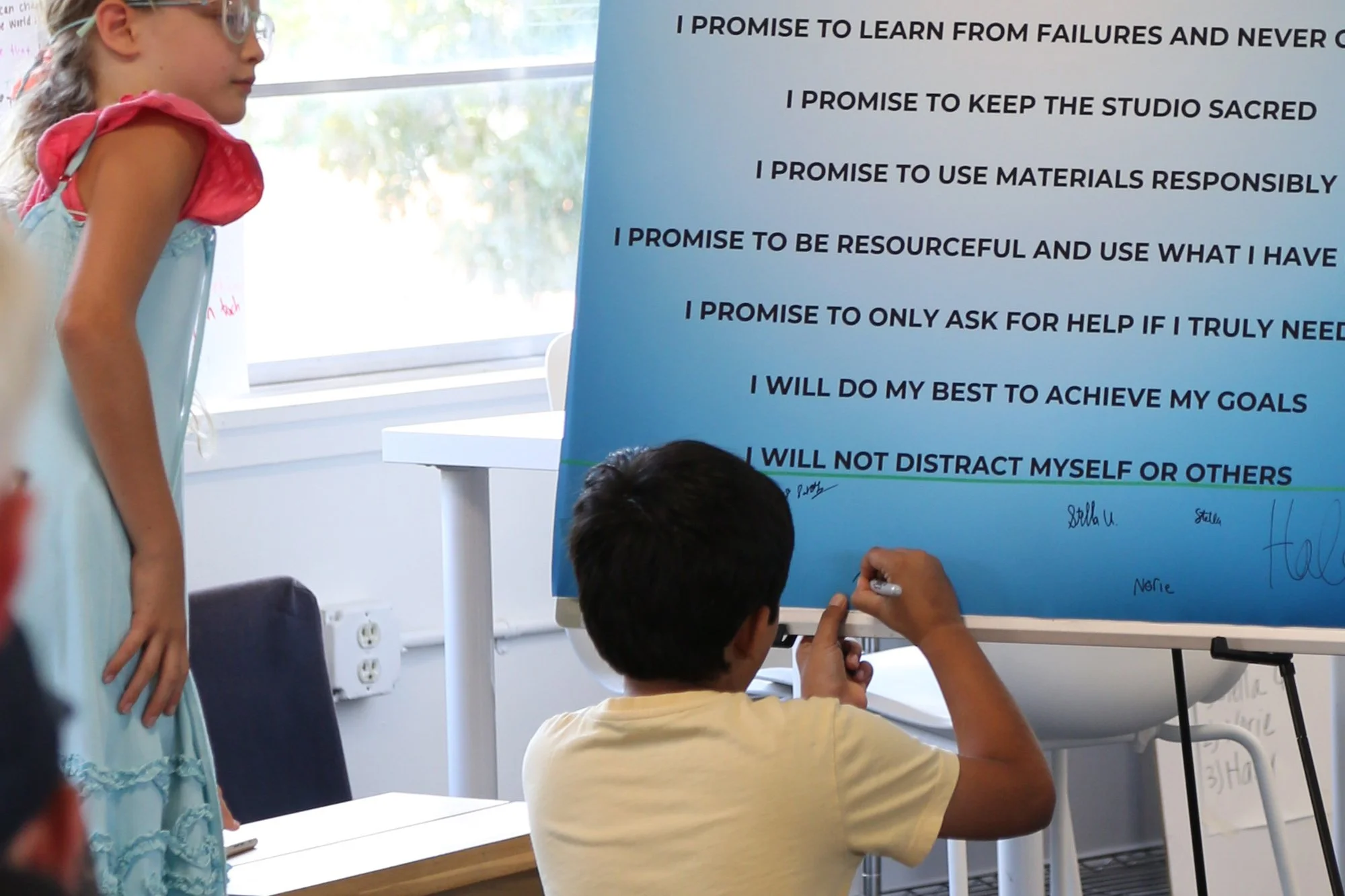
The third reaction comes from seeing it, and it's often quite emotional. We've had visitors, prospective parents on tours, and relatives of learners shed tears when they see the Studio Contracts that the learners write at the start of the year.
And we're not being dramatic.
There's a very real, visceral reaction that occurs when adults see what the children value and what they are capable of when they're in an environment that trusts them. An environment that trusts that they want to do meaningful work; trusts that they have an inner guide that drives their curiosity; trusts that they also want to live in a respectful community that values excellence and real feedback.
And the words we hear most often, once people have seen it: “I wish I had this when I was younger.”
What changes when you have a say in the rules under which you operate in your day-to-day life?
For the learners at Ascent, that ownership translates into a connection to the "why" behind each of their contract lines. They were there at the contract's inception and know where the lines come from. They know what kind of work environment they were picturing when they proposed "balance work and play." They know what kind of relationships they were picturing when they said, "I will pass my words through three gates: Is it true? Is it necessary? Is it kind?"
When you own the standards you set for yourself, you're more likely to hold yourself to them and push yourself to exceed them. This is the process we get to witness every year in our studios: the learners spend hours discussing, debating, and writing the "rules." They make a set of promises to each other: how they want to live together and what kind of tribe they want to build. They consider how two or three lines on the studio Contract of Promises affect the messaging of the entire document they are creating, and how that affects the environment they want to create. They debate "intentions" vs. "attention" and carefully weigh what each line means for how their studio operates and how it affects not only them but the whole campus.
They argue over whether being on a Hero's Journey is a choice or just part of being human. They talk about their space: Should it be held sacred? What does sacred mean? Is that redundant if we are already talking about respecting our space and materials?
Honestly, we've been seeing this play out for years with children of all ages and backgrounds. We see what they are capable of and how they show up.
Every. Single. Time.
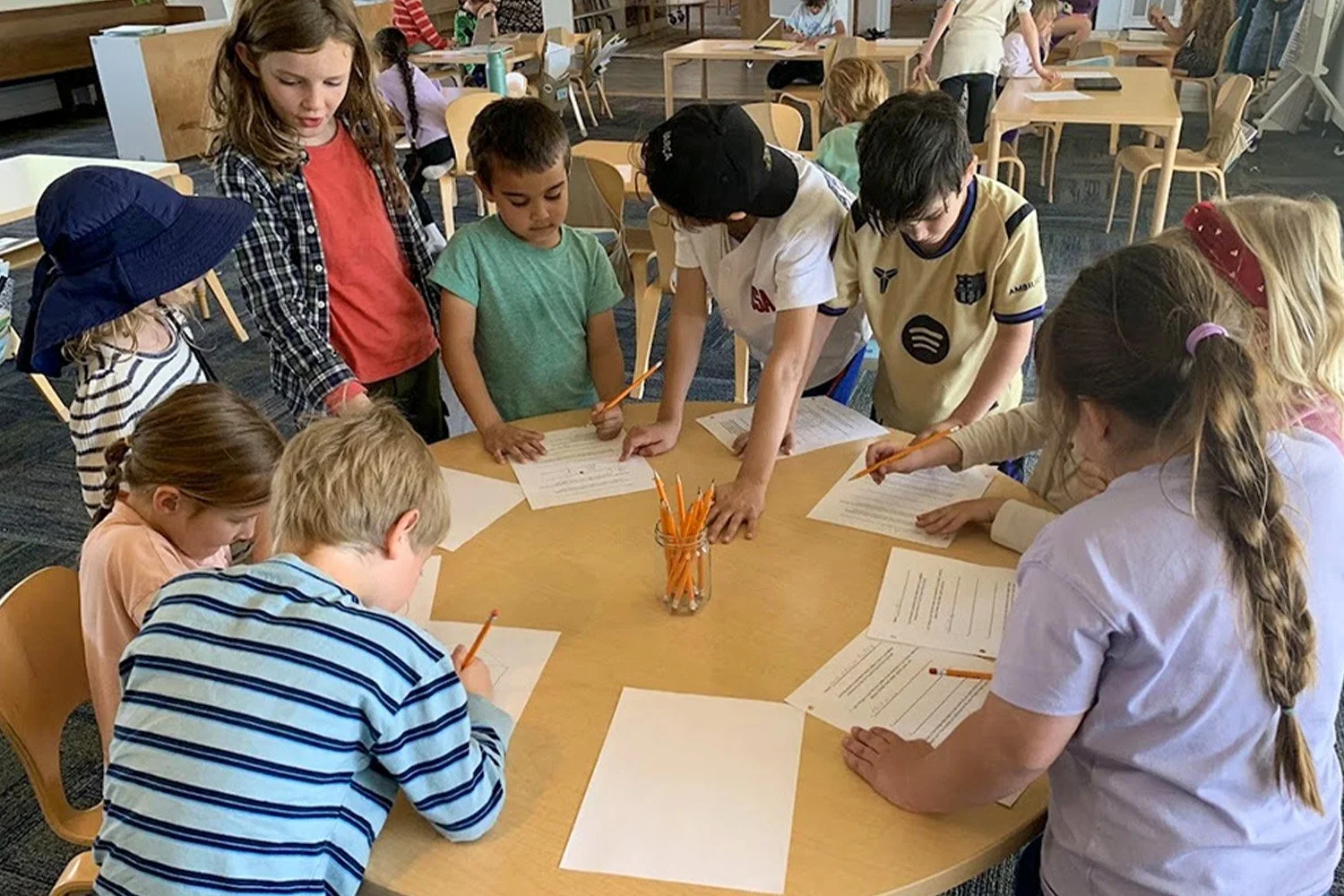
And yet, each year we are in awe and pause to celebrate the astounding work that goes into building a tribe.
Call them soft skills or durable skills; We call it the work of a hero: thinking clearly, choosing intentionally, compromising without losing your conviction. Whatever you want to call them, the skills this process requires are enduring, and they represent many that our children will need in the real world: clear thinking, intentional decision-making, compromise, conviction, and more.
So we ask those who wish they could have had this when they were young:
What would have been different for you if the adults in your life had deeply believed in you? Not just in your potential, but in your inner wisdom? Sometimes even more than you believed in yourself?
What would have been different if you had written the rules you were held accountable to?
What if you'd had the freedom to really be yourself, to be fully embraced for that, and found that your voice mattered at an early age?
What can you learn now from the children that will help you shape your world?
Somewhere, a child is waiting for an adult to trust them with the pen. Pass this on to the adults who could.
