One of my favorite Socratic discussions is one I facilitated… or more clearly, one I tried to facilitate, years ago with elementary learners.
I no longer remember the topic but I remember the hook: a three-minute clip from an Austin City Council meeting, chosen because it was relevant to the questions I had prepared.
But we never got to the prepared questions. Or anything close to them.
The learners were appalled at what they saw: The adults on screen were interrupting one another. (The learners, in their outrage, were interrupting one another to say so… but I let that one go.) But the agitated objection that was exclaimed with pointed fingers at the screen was:
Why are they repeating points that were already made?
I recall having to take a deep breath, because my plan was out the window. “What do you notice?” “Why does it bother you?”
They forgot they had been practicing their own guardrails of civil discourse on their own for months, or years for many of them. To them, at least when seeing it on the screen, it was obvious: a person repeating a point has stopped moving the conversation forward. They are trying to be heard.
It took them a couple minutes to connect the dots.
Why it bothered them:
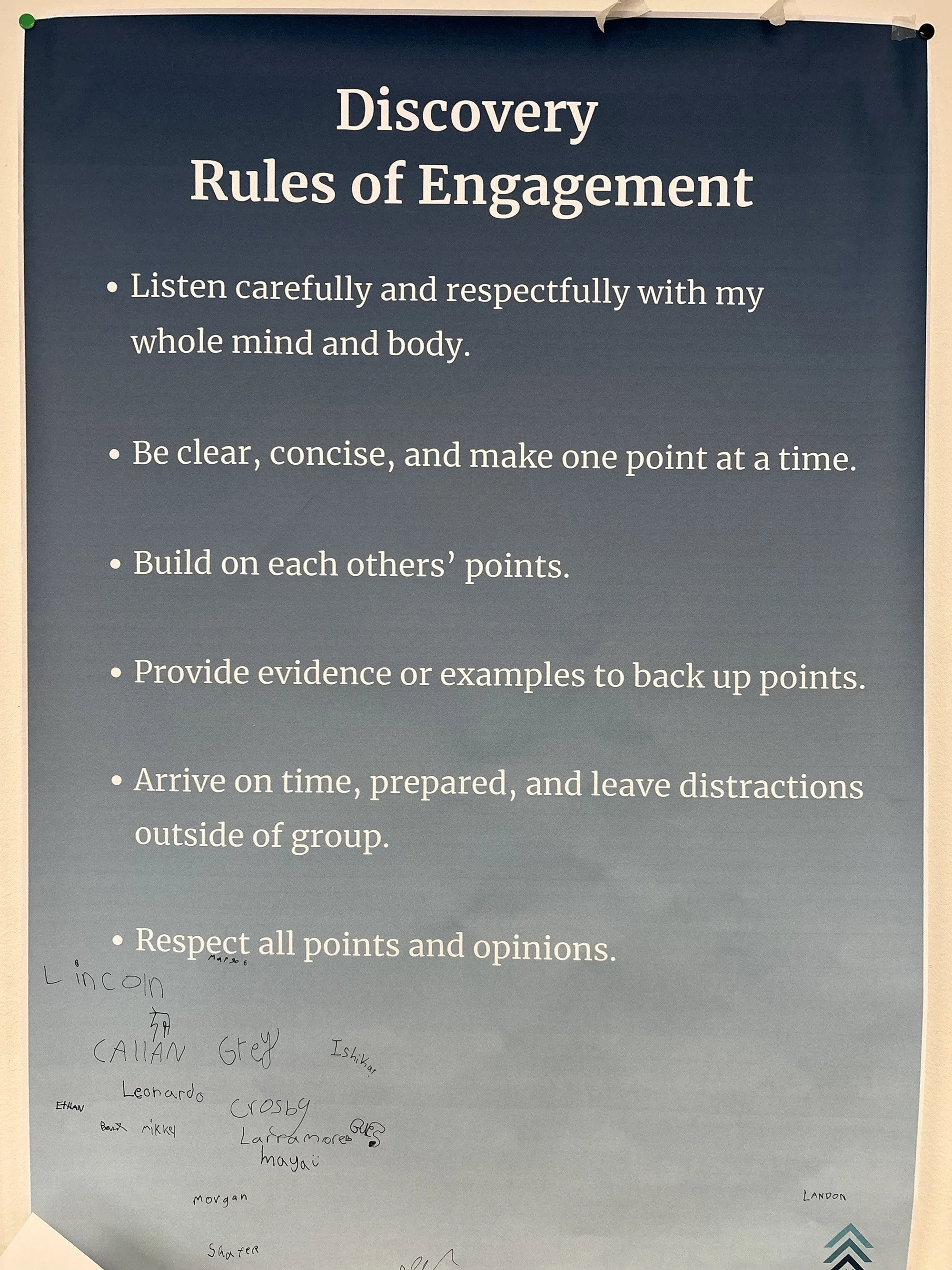
The learners’ reaction wasn’t about simple manners or creating their own spectacle. They were responding to what they saw as broken promises. Because they themselves, at age 6, 7, 8, 9 and 10 were practicing self-created promises that they established to ensure respectful discourse.
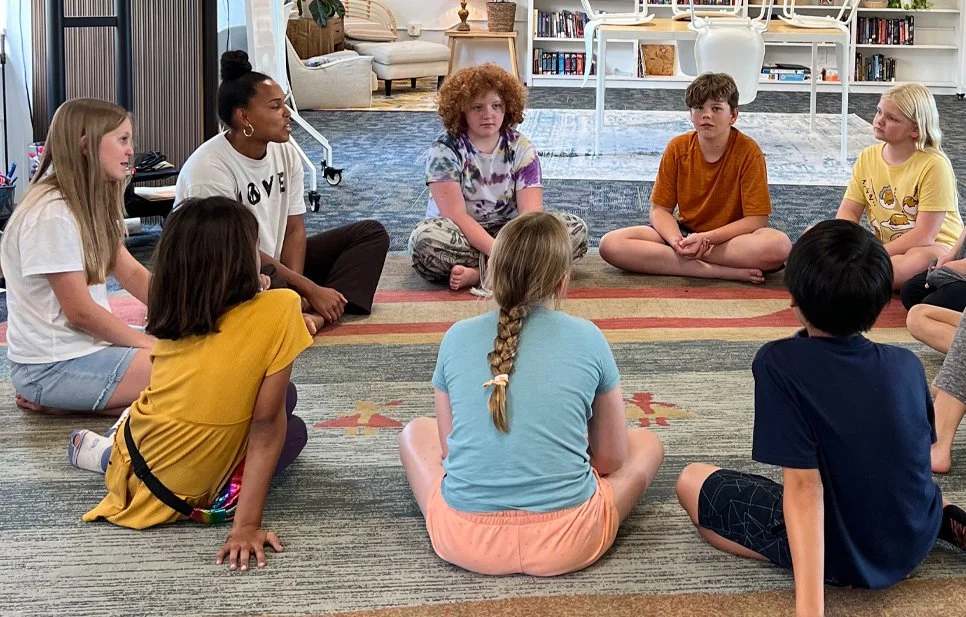
At the beginning of each year, learners at Ascent reflect on the purpose of Socratic discussions, and what it would take to create the right environment working towards that purpose. Each year, they draft/revise, edit and sign their set of promises.
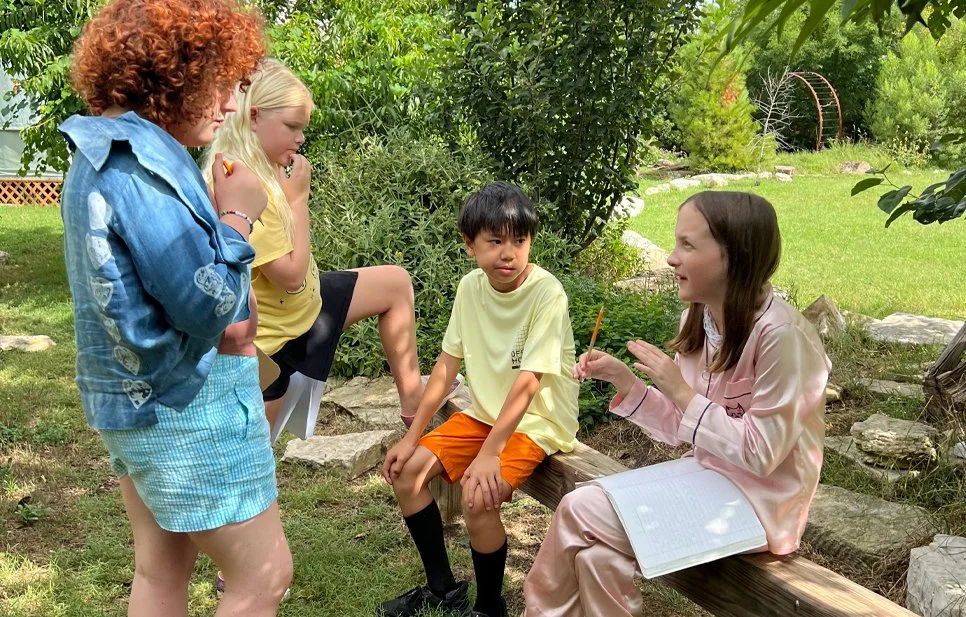
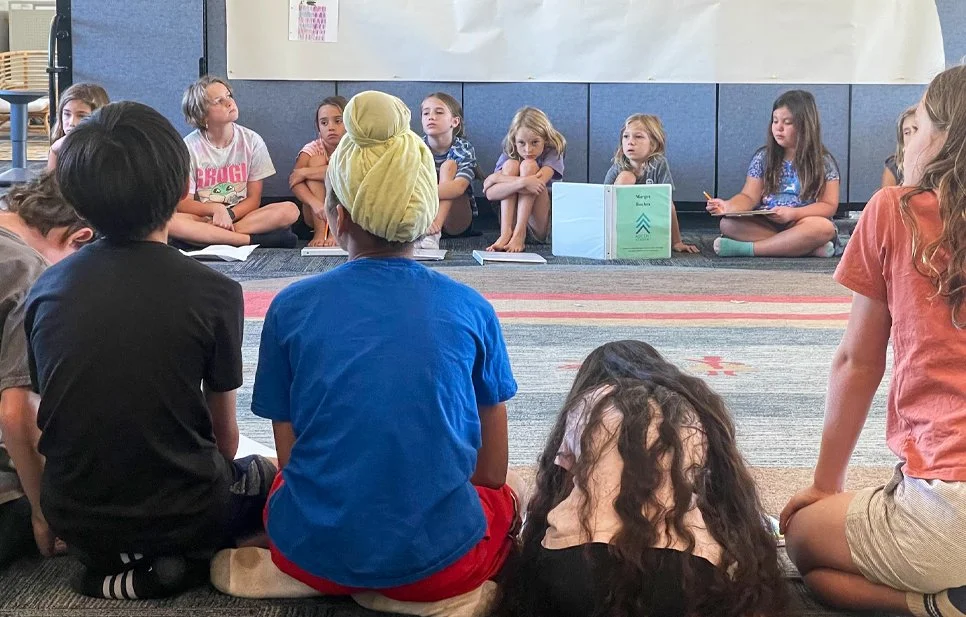
They return to these promises each day, and reflect on where they kept them and where they fell short.
Not one of the promises asks them to agree. Instead, the promises ask for something harder: to listen… carefully. That word - carefully - is dissected and debated. What does this mean? What does it look like? What does it feel like?
There are many areas of our lives where these skills can make a difference. Public discourse, particularly during and after an election, offers us an opportunity to pause and imagine a world where young people know how to respectfully, even vehemently, disagree. Where they can make their case with evidence and reasoning, listen carefully to opposing perspectives, and engage with ideas rather than simply react to them.
The quiet question that interests us, that lies underneath the learners’ Discussion Rules of Engagement, is: What has to be true before two people can disagree well?
Our learners work on that question every day on repeat.
That day years ago when I used the City Council clip, I remember being so inspired. The young people who expect this much of a conversation will make great changes in their worlds.
Thoughts to takeaway:
What would your last difficult conversation have looked like if everyone agreed to these promises?
Which one would you have broken first?
Which one could you support in upholding in your next challenging conversation?