
See pictures from Session 2 here.
How do we turn creativity into meaningful work?
Creativity can help us imagine what might be possible. But bringing those possibilities to life requires something more: thoughtful decisions, practical skills, and an understanding of whom our work might serve.
This week, Explorers continued their Entrepreneurship Quest by examining competition, considering alternatives to their products, and beginning to turn their business ideas into something customers could see and evaluate.
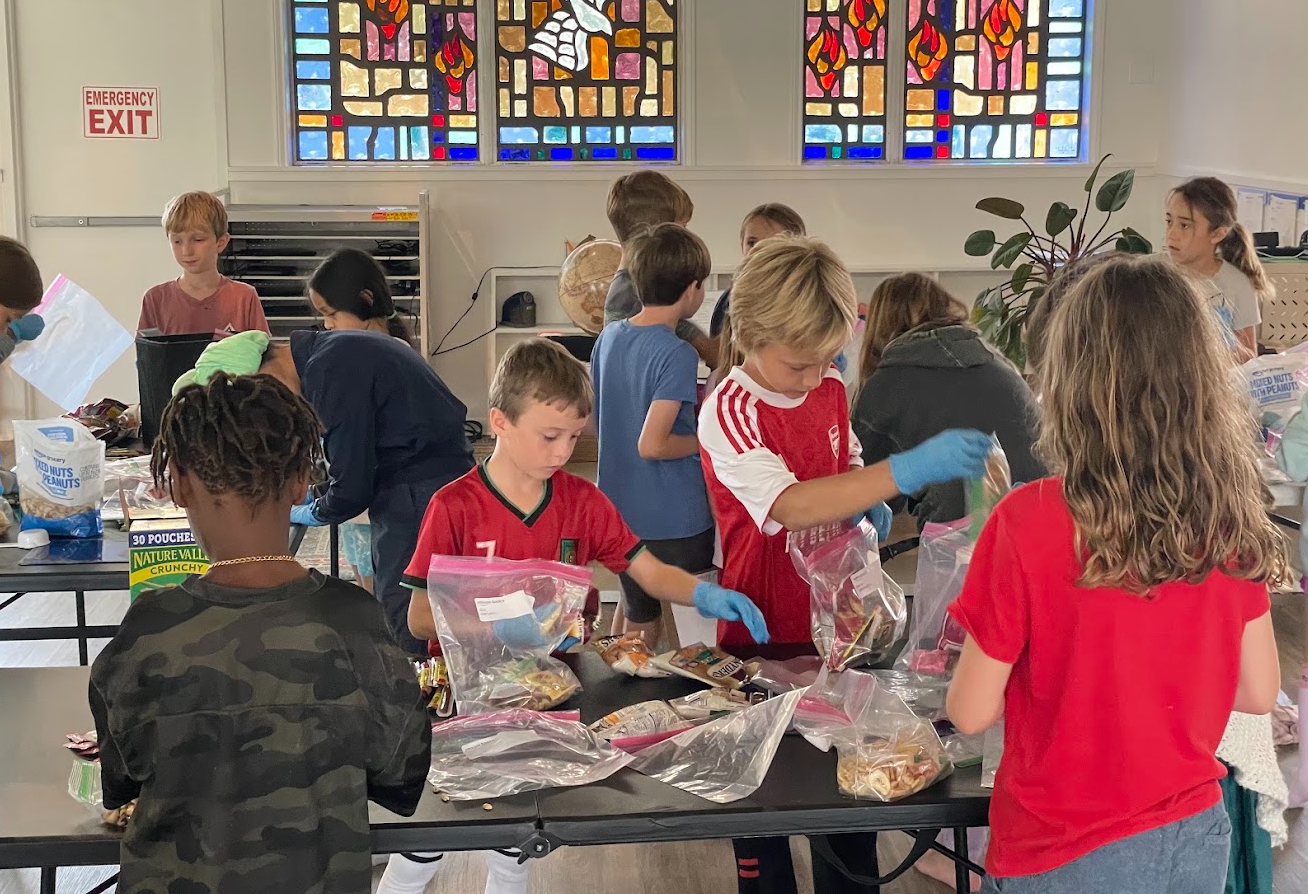
One particularly tangible challenge brought entrepreneurship off the page. Working in teams, learners took on a snack-bag assembly challenge, experimenting with different approaches to production. Should each person make an entire bag, or would an assembly line be more efficient? Would workers perform differently when rewarded for their time rather than the number of bags completed?
With quality standards to uphold and opportunities to adjust their methods, Explorers encountered some of the practical decisions that business owners face every day. The bags also had a purpose beyond the exercise: they were prepared for donation to people experiencing homelessness.
In Writers’ Workshop, Explorers put their creativity and persuasive skills to the test through an improvisational pitching exercise. Each learner had to pitch an everyday object for a purpose entirely different from its intended use, drawing on the building blocks of a pitch and the three classical elements of persuasion: logos (reason), pathos (emotion), and ethos (credibility). The challenge called for quick thinking, imagination, and an understanding of what makes an argument convincing.
These experiences brought us back to a familiar question from the Hero’s Journey: Where does a Hero find purpose?
Perhaps meaningful work begins when we put our creativity to use, not simply to bring our own ideas to life, but to recognize a need and create something worthwhile for others.