Explore: Y7, S5, W2
From Soil to Seeds to Pollinators
Click here to see pictures from this session.
Community Garden Quest kept moving this week, from the ground up.
On Monday, Seed Teams turned to soil. Learners studied what healthy soil is made of, why degraded soil matters, and began testing texture through hands-on experiments. The work became more concrete this week, going beyond plant science to examine the actual conditions a garden will depend on.
Midweek, the focus shifted to seeds. Learners began germination experiments, tested different scarification methods, and built plant light mazes. The questions were scientific but also personal: what helps a seed grow, and what helps a person grow? Right environment, right support, right habits, which one matters most?
By Friday, pollination brought a new layer of energy. Learners tasted different honeys, designed flowers to attract specific pollinators, and set up butterfly habitats that they will continue observing over time. Week 2 closed with a fuller picture of plant science: soil, seeds, and the living systems that help gardens thrive.
Writers Workshop pushed further into research. Learners practiced asking sharper questions, distinguishing helpful sub-questions from weaker ones, and began working with opposing viewpoints connected to their Big Important Questions. The standard continues to rise: not just having an interesting question, but learning how to investigate it well.
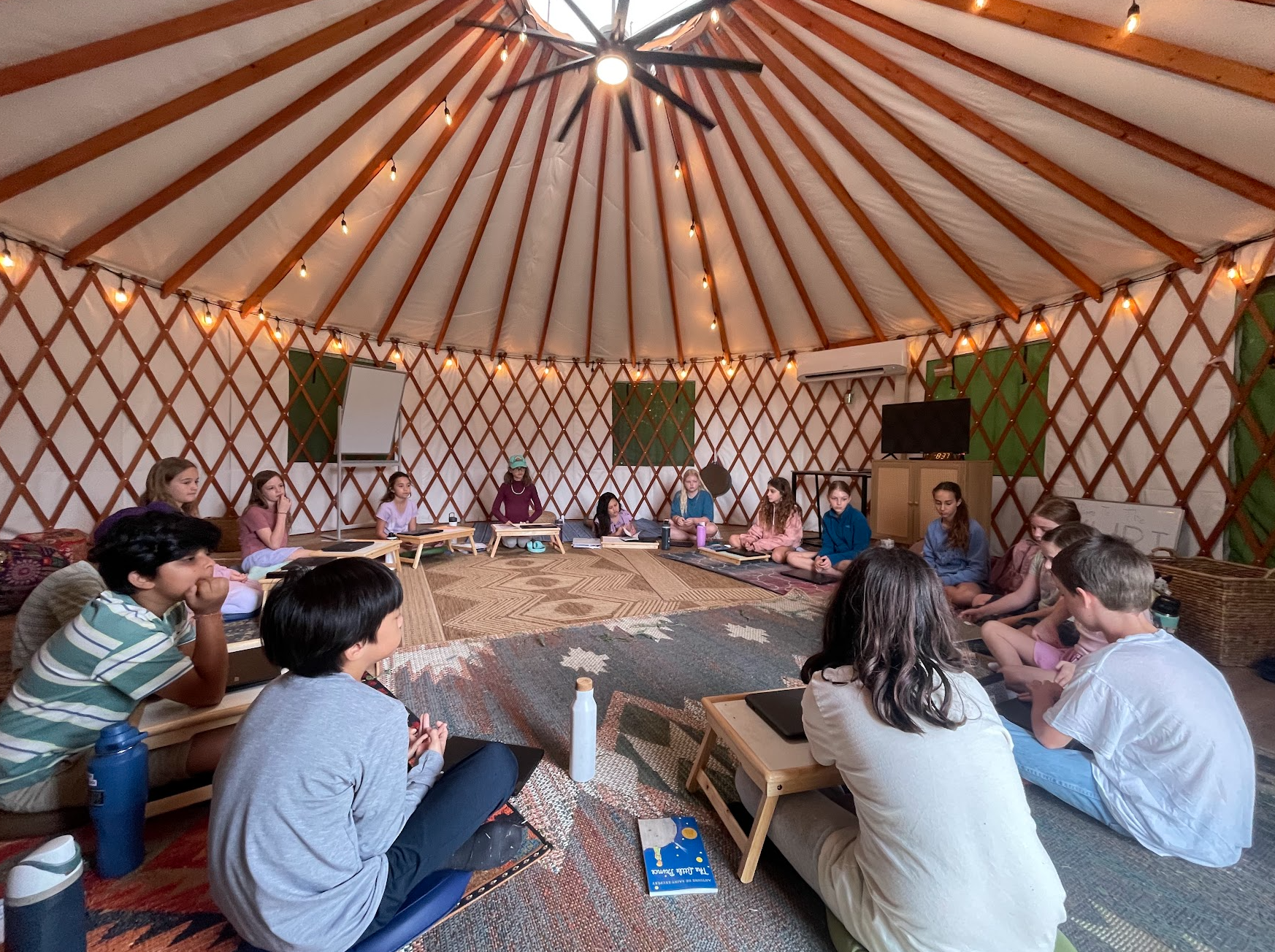
This week also launched our first Little Prince book club. Learners began reading slowly and discussing carefully, exploring what may be lost when people focus only on facts and numbers, why people become less curious as they grow up, and the metaphors presented in the short novel, such as the Baobabs that the Little Prince pulls up before they grow too large. Other questions were: What is the difference between knowing facts about someone and truly knowing someone? Will the Little Prince ever be happy? What is this book really about?
Civilization discussions examined two historical dilemmas. One explored the challenges of rebuilding the United States after the Civil War, where learners were pressed to clearly articulate their reasoning and examine the assumptions behind their arguments. A second discussion turned to the War of the Triple Alliance, analyzing the leadership decisions and legacy of Paraguay’s president, Francisco Solano López.
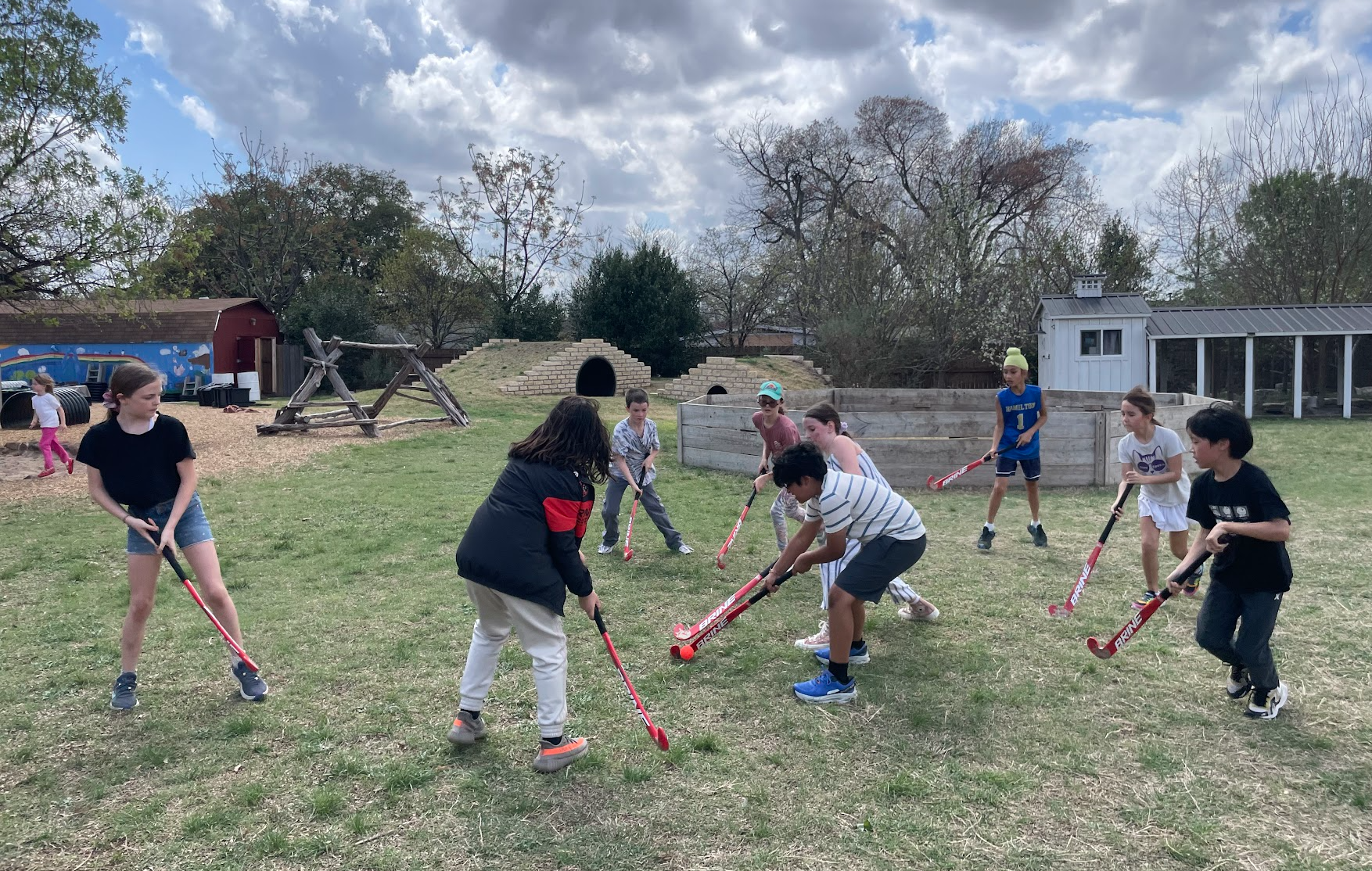
PD moved from drills into our first field hockey games. Learners practiced passing, defense, and shooting before stepping into real gameplay that required teamwork, communication, and sportsmanship. Under the Texas sun, the games brought challenge, a few bumps and hard plays, moments of healthy conflict, and just as importantly, repair and collaboration—reminding us that team sports are as much about resilience and character as they are about skill.
Art continued to build creative expression, and Town Hall remains a strong system of ownership for studio culture, with learners shaping their community and resolving issues together with minimal guidance and intervention. Thursday also introduced La Sobremesa, a Spanish immersion lunch where learners practice conversation and listening in Spanish together.
Session 5 continues to deepen. The science is becoming more layered, the questions more precise, and the studio culture more reflective as learners take greater ownership of their work and their community.