
Discoverers showed flexibility and resilience this week as they faced tough challenges and navigated community situations.
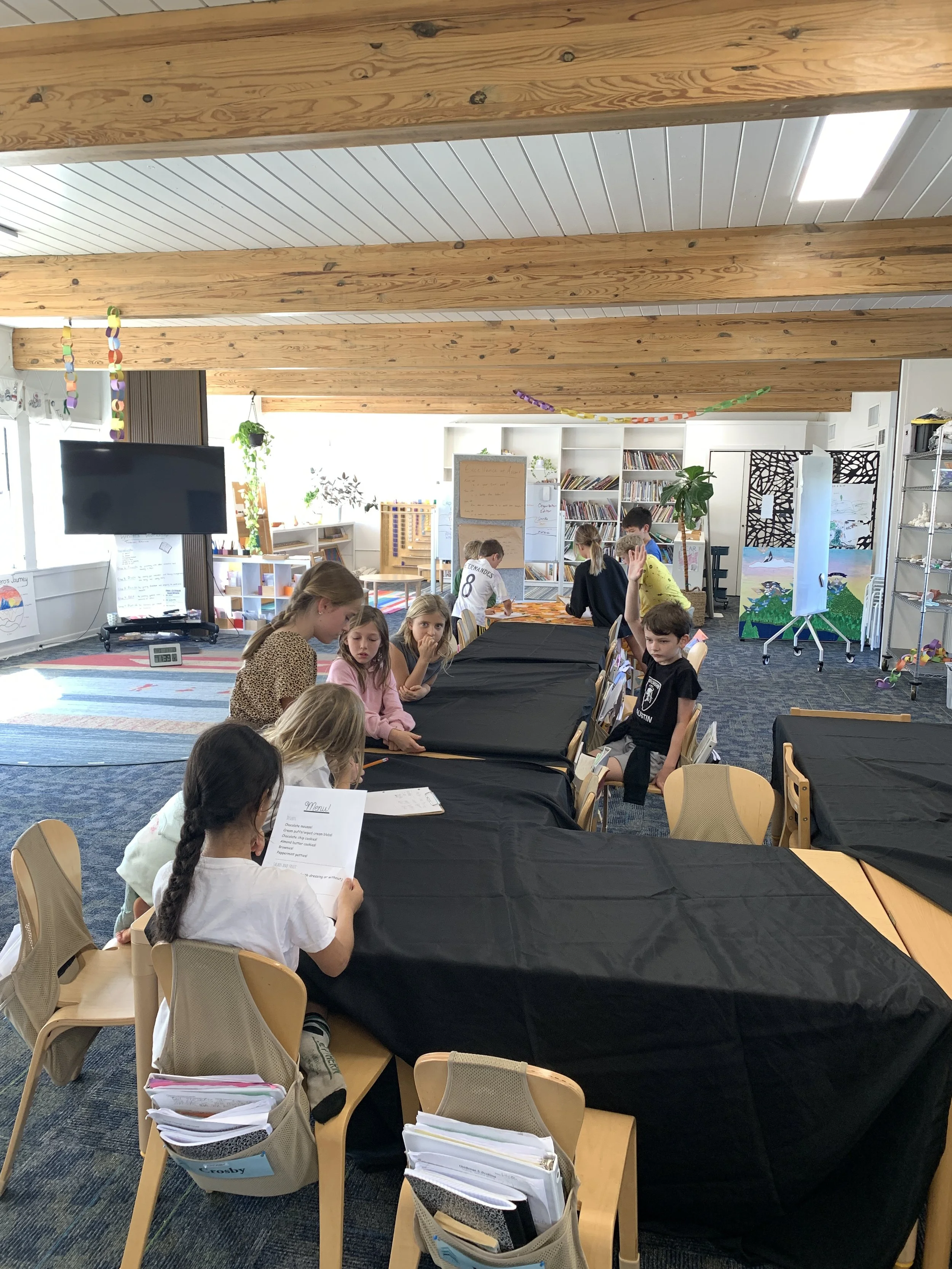
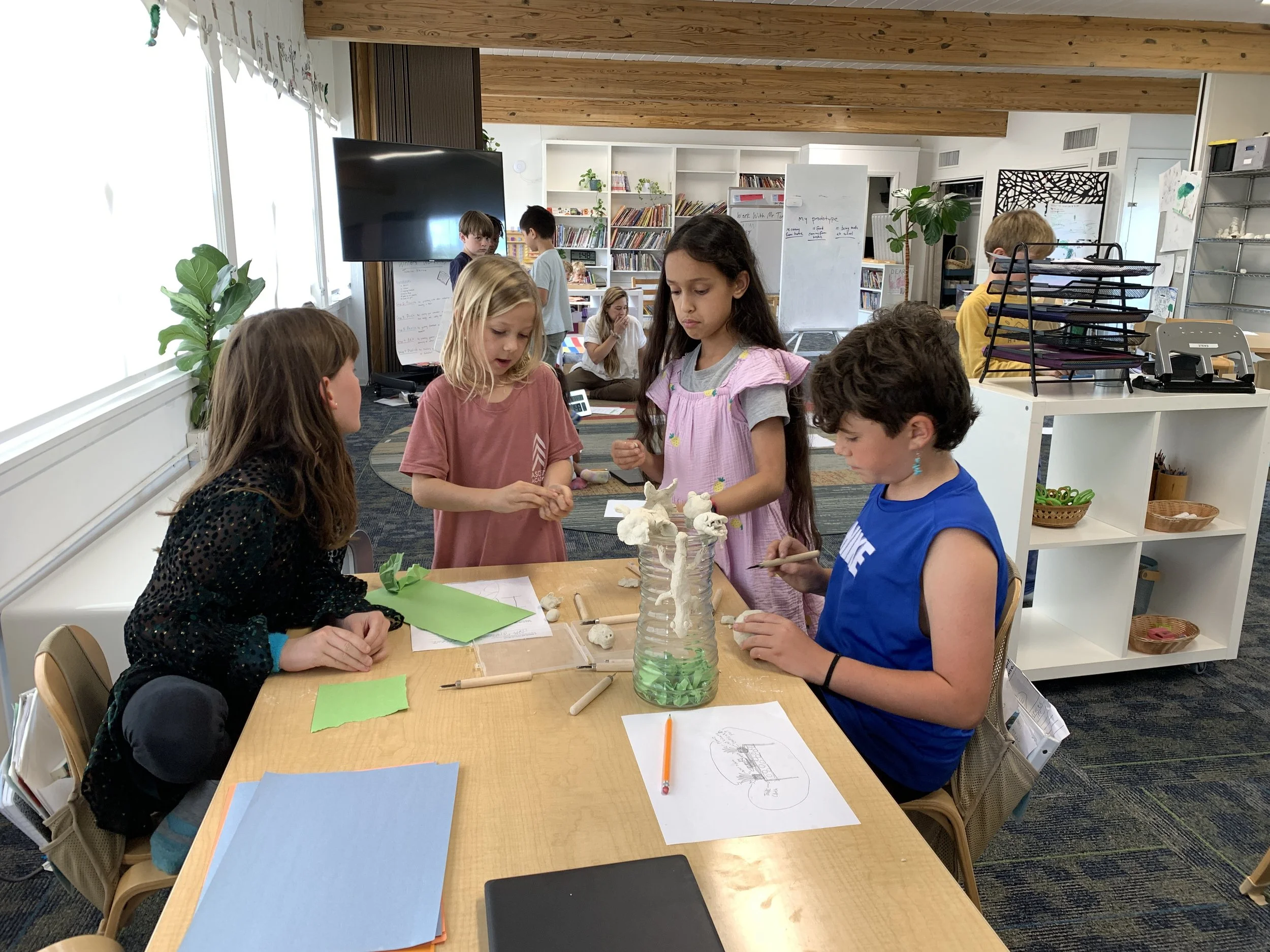
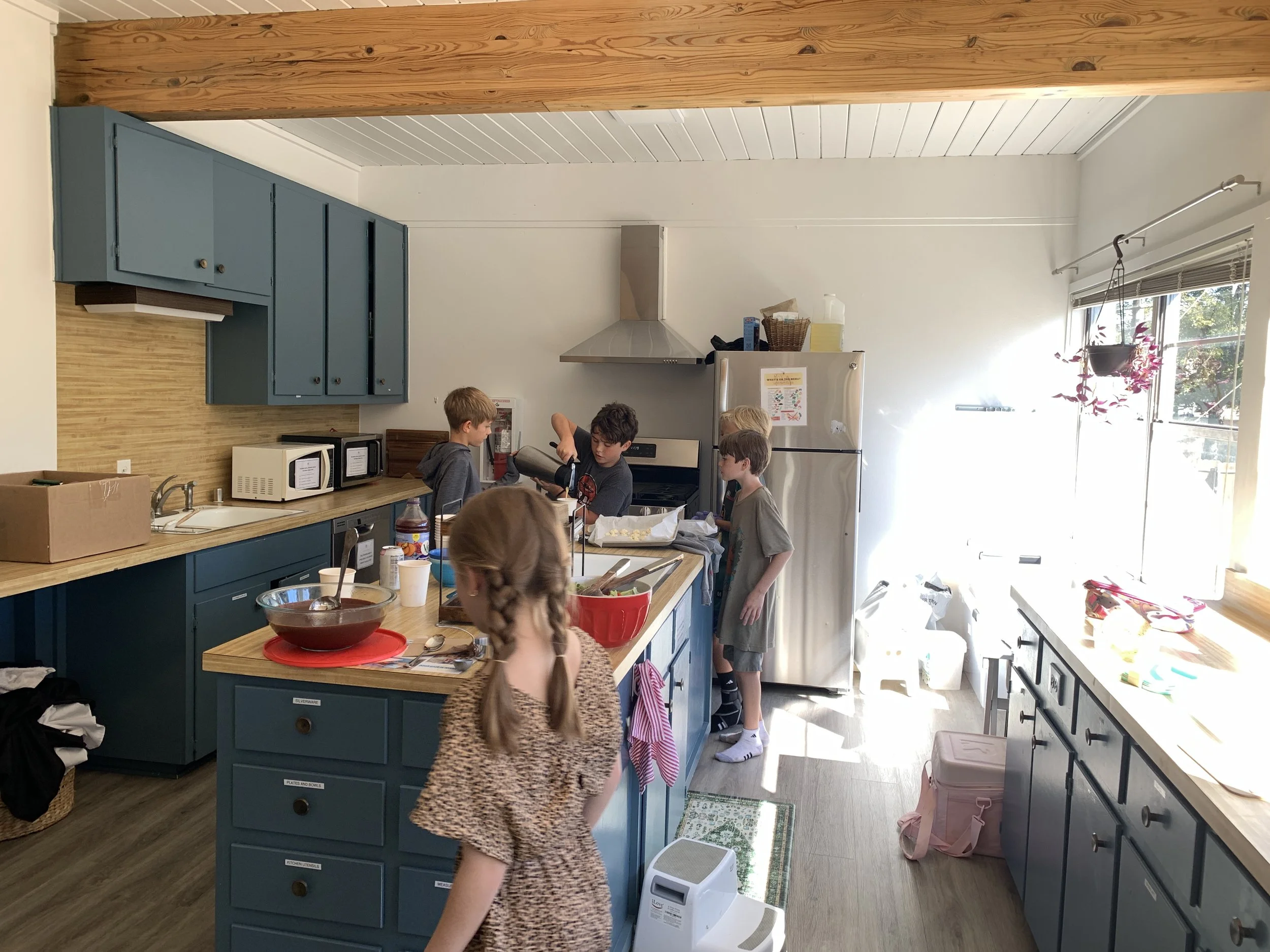
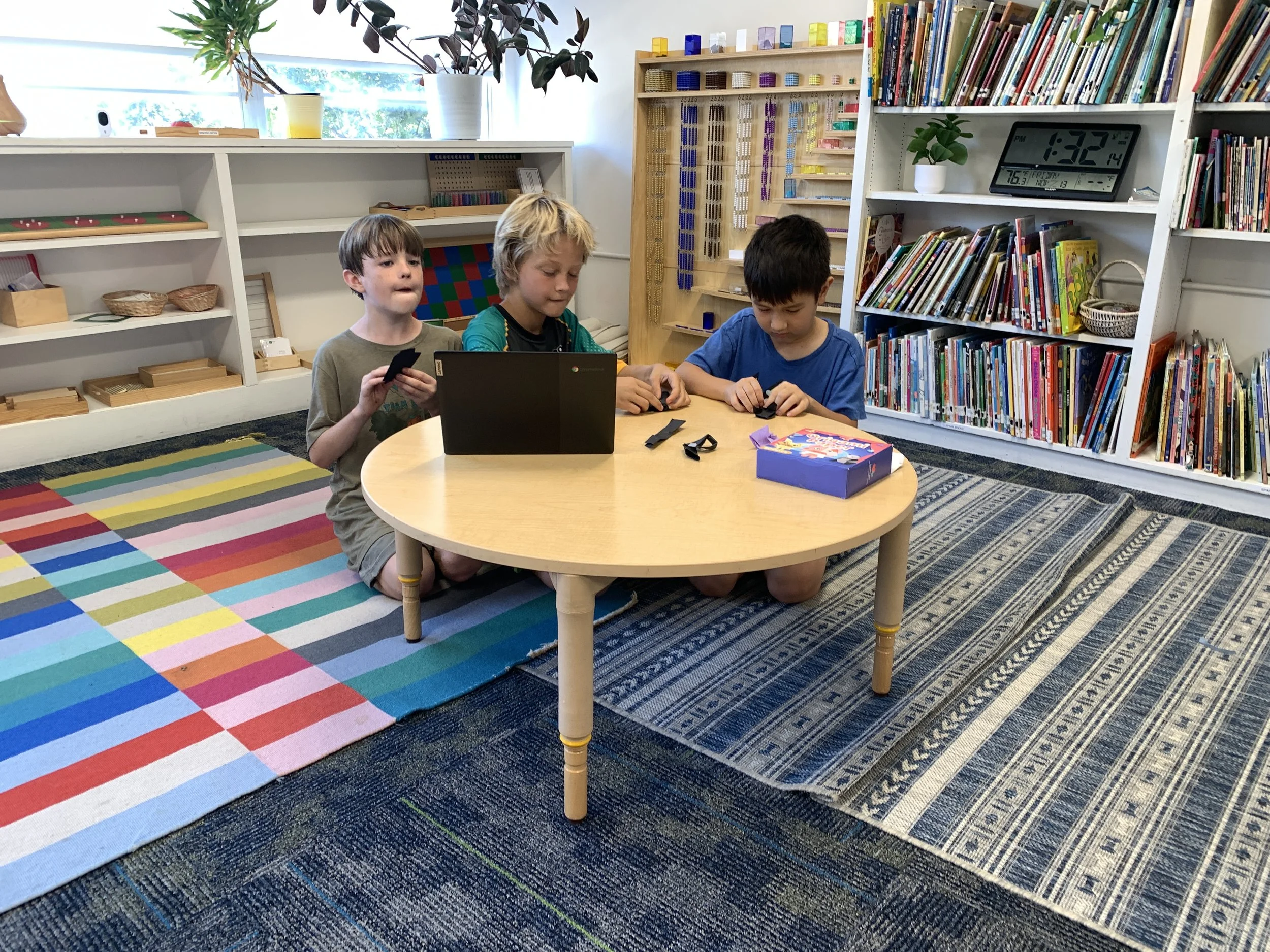
In E-Ship Quest, Discoverers started preparing for their E-Ship Exhibition, bringing together the skills they've developed throughout the quest. With all six islands behind them, their focus shifted toward turning their business ideas into something they can share with an audience. They began designing prototypes, thinking about what customers need to see before making a purchase, and considering how to communicate the value of their products and services.
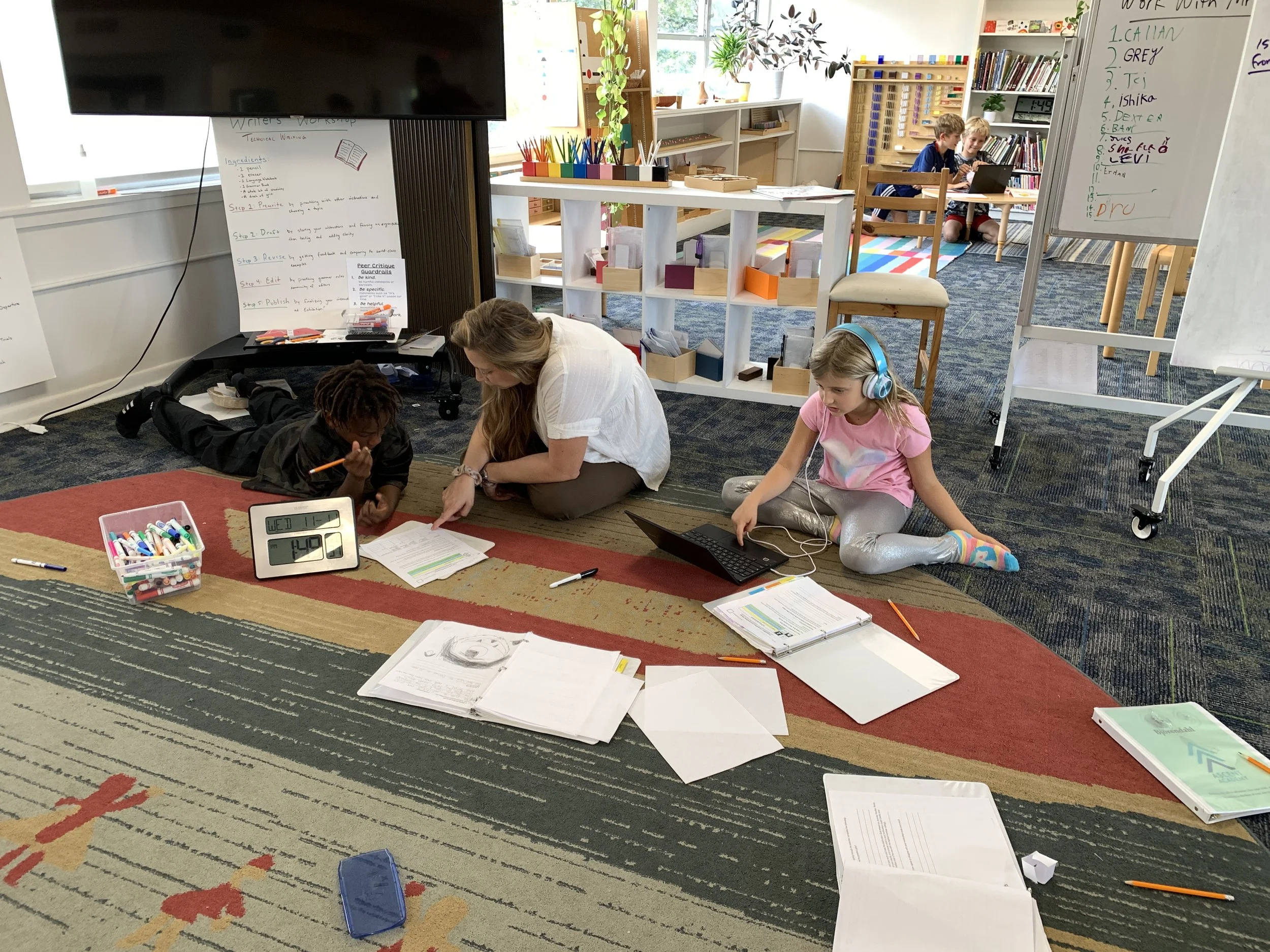
In Writers' Workshop, Discoverers continued developing their technical writing skills. After focusing on revision last week, they moved into editing, examining how punctuation, capitalization, spelling, grammar, and organization affect the clarity of instructions. They also worked in a Community of Editors, taking on specific editing roles and collaborating to strengthen one another's writing. These final rounds of review are helping them prepare to publish instructions that others can actually follow.
Discoverers also spent time discussing something essential to a healthy learner-driven community: trust. After a series of incidents involving missing personal belongings, misuse of materials, and disrespect for shared spaces, the studio had an important conversation about the relationship between trust, responsibility, and freedom. Discoverers explored why the independence they enjoy comes with an expectation that they will take care of themselves, their fellow travelers, and their community. The path forward is clear: trust can be rebuilt through honesty, accountability, and consistent choices.
Finally, discussions provided invaluable opportunities to test reasoning, explore new ideas, and hear alternative perspective. In one discussion, Discoverers considered the philosopher Socrates. Known for his relentless curiosity and his willingness to question what others believed they knew, Socrates challenged Discoverers to consider what it means to be wise. Is wisdom about knowing a lot, or recognizing how much there is still to learn? What drives our desire to learn: curiosity, external rewards, or something else? In another discussion, Discoverers confronted procrastination with the metaphor of eating your frog first. From the book by Brian Tracey, eating one’s frog means getting the most important thing done first. Discoverers identified their frogs, considered best approaches to eating their frogs, and put thought into practice as they flowed into their Work Cycle.
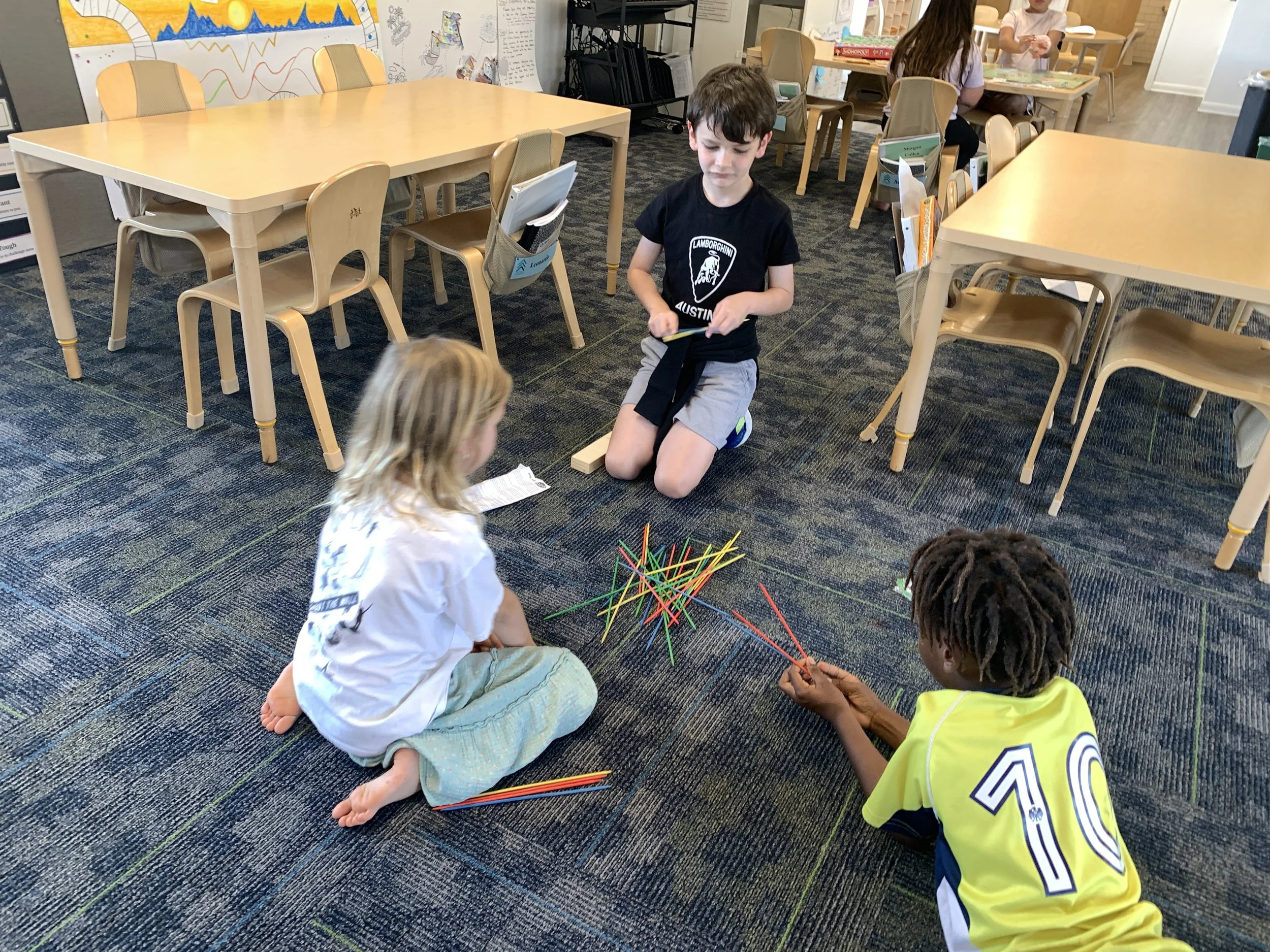
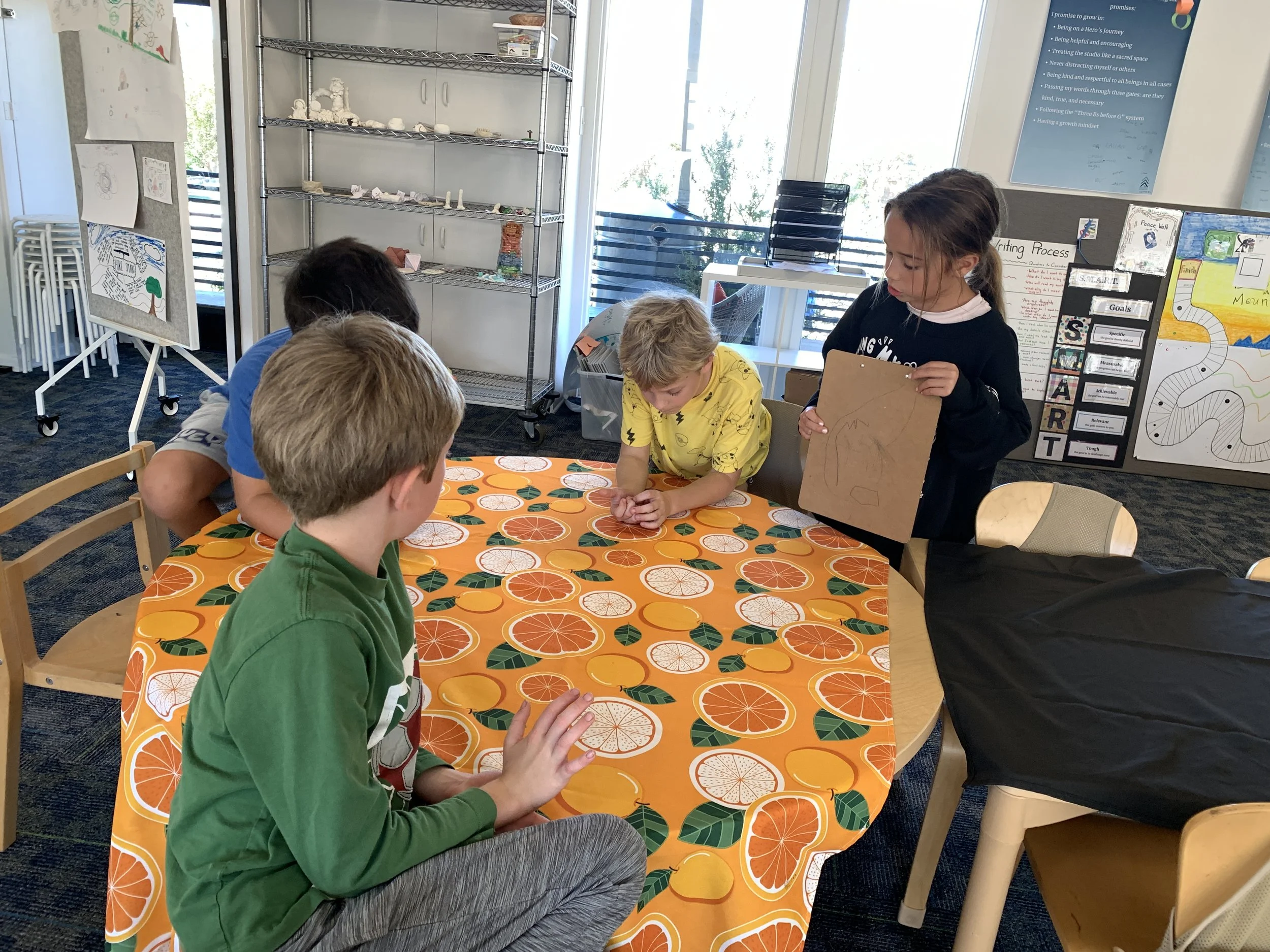
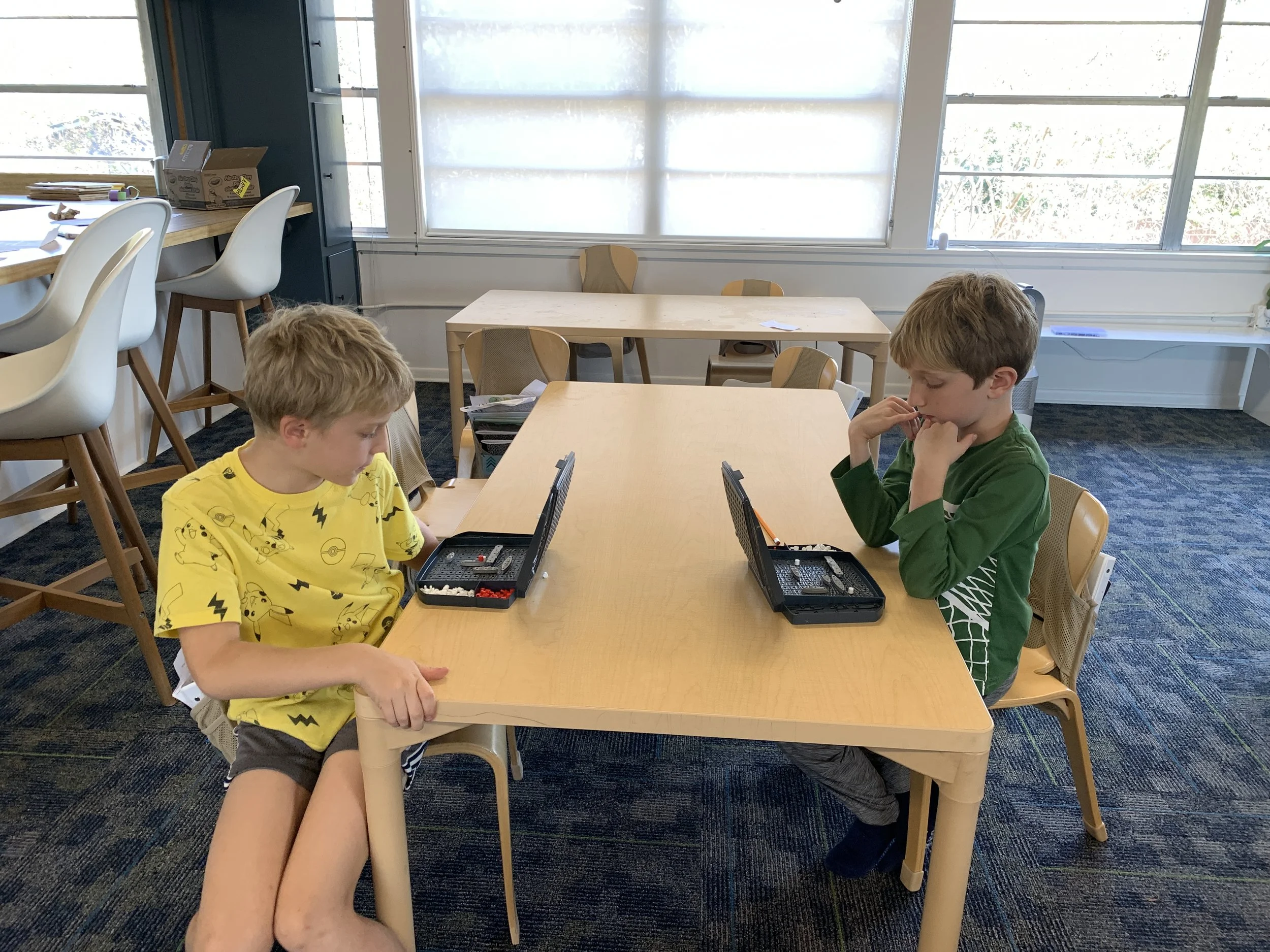
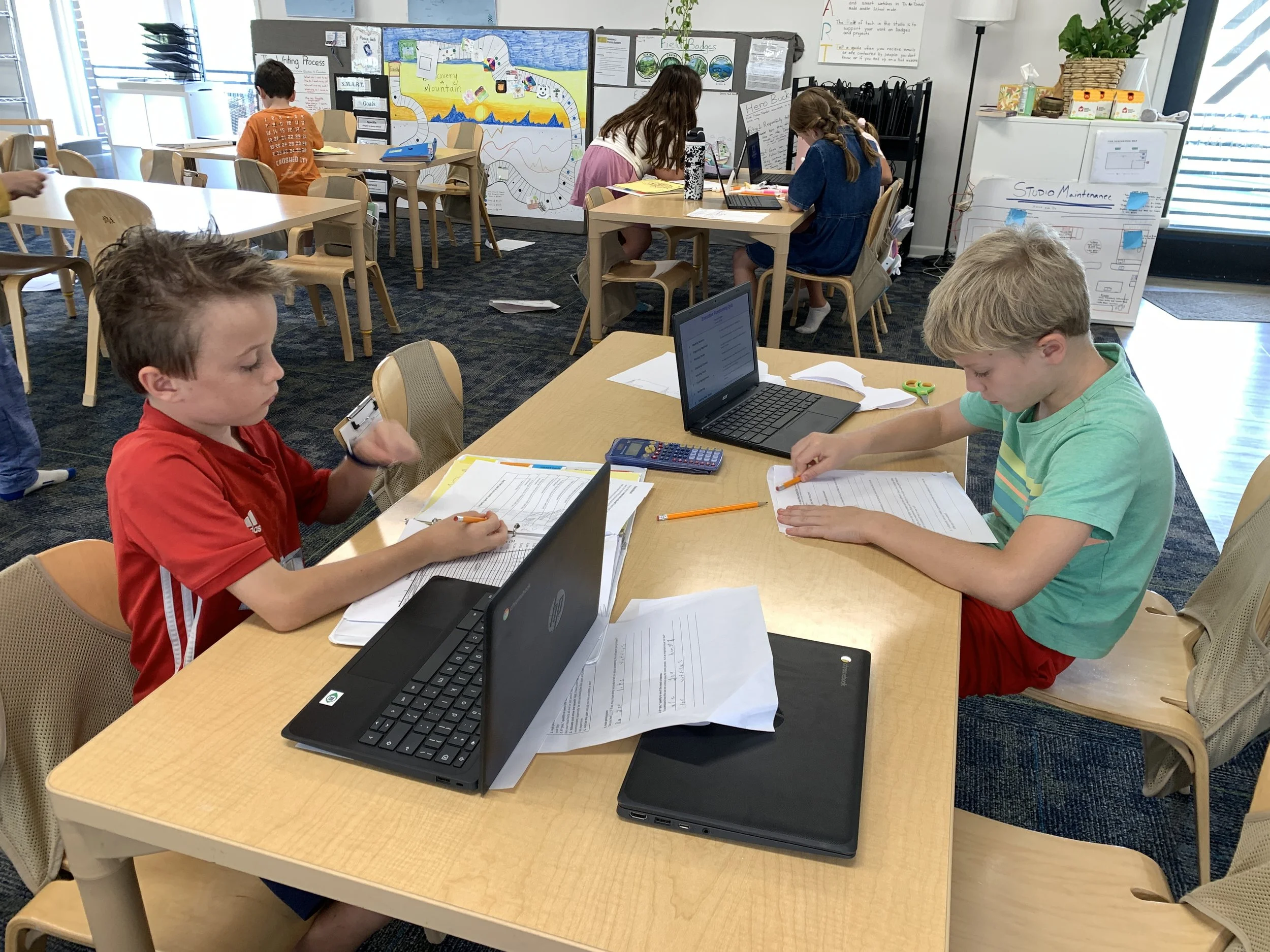
As the Exhibition approaches, Discoverers are putting their ideas, writing, and presentation skills to the test. We're looking forward to seeing the businesses they've built and the work they've put into bringing their ideas to life!