
This week, the Discoverers stepped further into the world of entrepreneurship, discussed purpose, inspired themselves and others, and continued developing their skills as writers.
E-Ship Quest: Thinking Like an Entrepreneur
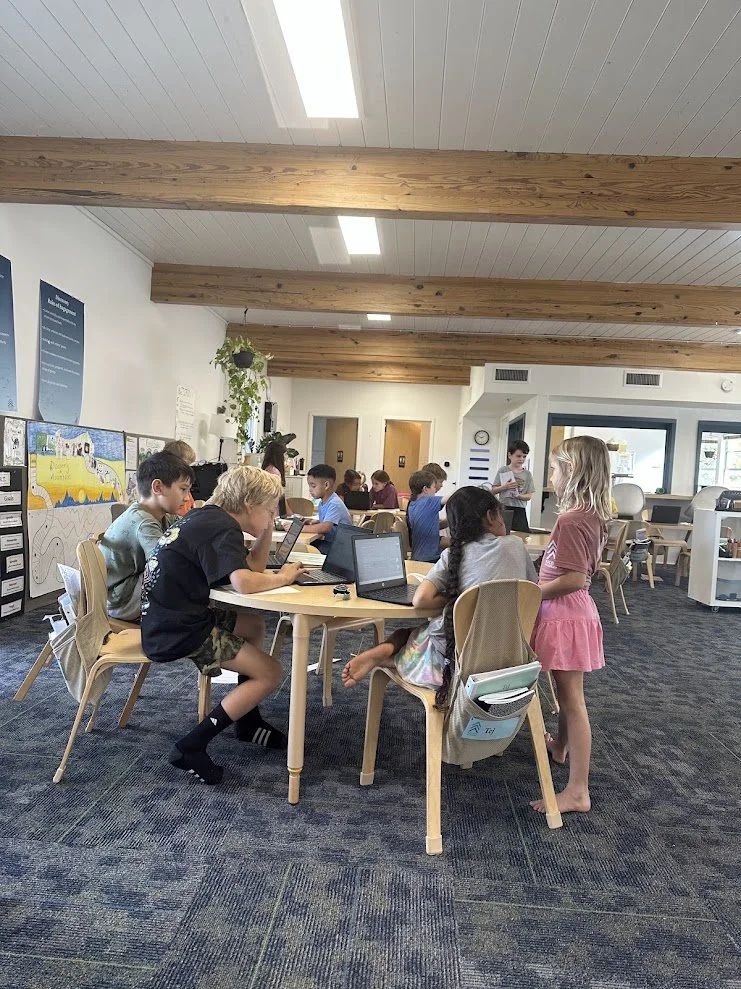
The Discoverers continued their E-Ship Quest this week, moving into the next stages of developing their businesses for the Children’s Business Fair.
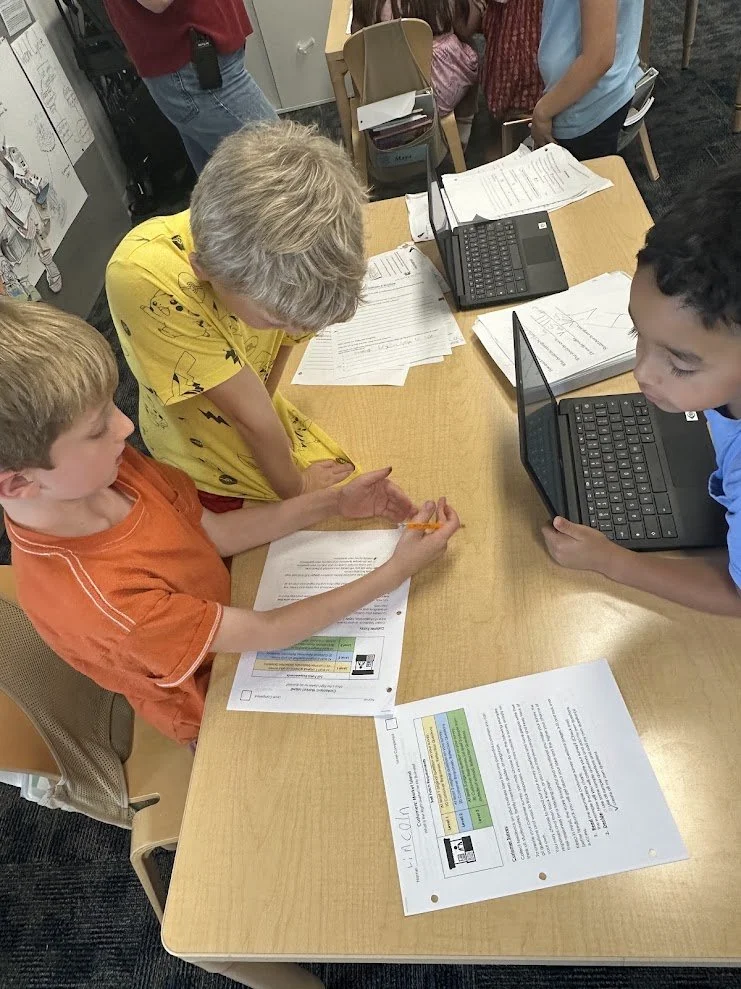
On Monday, learners explored the psychology behind customer decisions through an introduction to behavioral economics. They considered why a customer might choose a more expensive lemonade stand over a cheaper one, how having multiple product options might influence a purchase, and how pricing strategies can change the way customers perceive value. These conversations challenged learners to think beyond simply creating something they like and instead consider what would make someone else want to buy it.
On Wednesday, we brought business economics to life with the story of Sally the Seller. Learners became the dollars moving through Sally’s business as she purchased supplies, paid expenses, and sold her picture frames. By physically representing the movement of money, they explored the difference between sunk costs, variable costs, and fixed period costs, and how each affects a business's profitability. They then applied these concepts to their own business ideas on Unit Economics Island, calculating their costs and considering how much they would need to charge to make a profit. By Friday, some learners were making final decisions about their startup expenses, product pricing, and where to purchase materials. These are important decisions that will shape the businesses they eventually bring to market!
Writers' Workshop: Heroes in Technical Writing
This week, learners continued their Writers' Workshop journey into technical writing. We looked to Julia Child as an example of someone who shared her passion with the world through clear, accessible instructions. Her cookbook, Mastering the Art of French Cooking, helped make cooking approachable by breaking complicated processes into understandable steps.
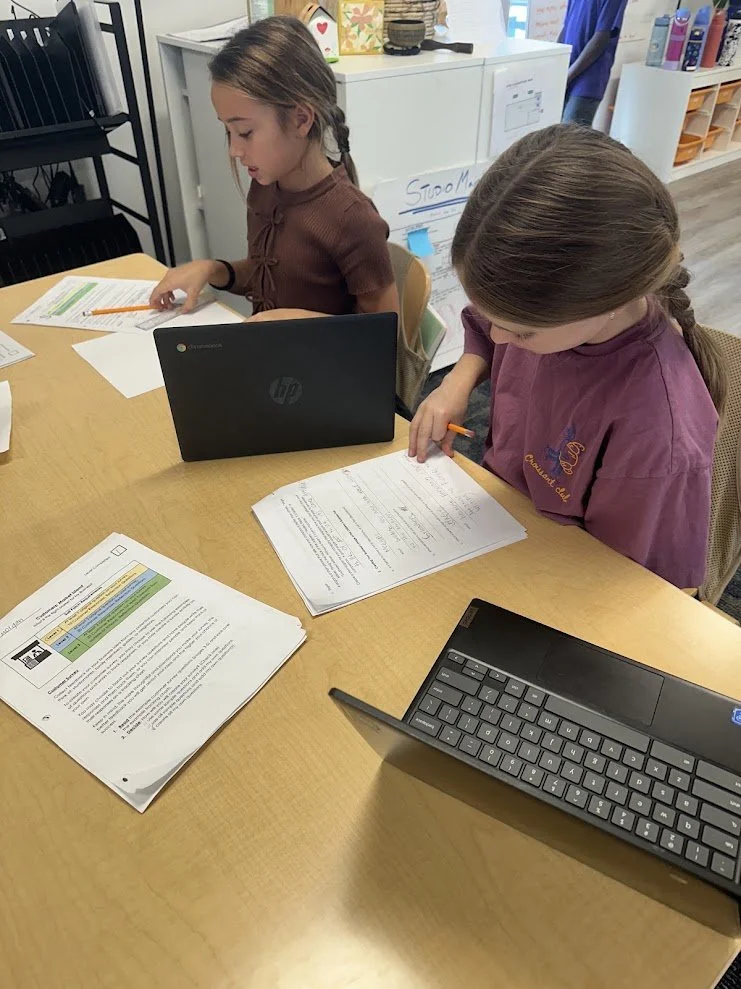
The Discoverers began drafting three different sets of instructions: how to use a software program, how to build something, and how to make something. As they worked, they practiced thinking from the perspective of their future readers, asking themselves what might be confusing, what information might be missing, and how they could make each step clearer.
We also introduced organization as this session's focus trait. Using a real operating manual for a robotic dog called Zoomer, learners evaluated how well instructions were organized and considered the importance of logical sequencing, clear introductions, transitions, and satisfying conclusions. Next week, they'll begin testing their instructions on fellow studio members. This will give them an opportunity to see whether their writing actually works for someone other than themselves!
Year 8 Field Badges: Hiking and Trail Stewardship
On Wednesday, the Year 8 Field Badges were introduced! This opt-in program gives learners the opportunity to develop outdoor adventure skills while building their knowledge of the natural world and the responsibility that comes with exploring it.
Session 2’s Field Badge is the Hiking and Trail Stewardship Badge. Through this badge, learners will develop their hiking abilities while learning about the environments they explore and how to care for them. Those who complete the badge will earn a place on the end-of-session Field Expedition to Westcave Outdoor Discovery Center.
Learners were challenged to consider what kind of outdoor adventurer they want to become: someone who masters one particular skill or someone who explores many different environments; someone who prioritizes personal freedom or environmental responsibility. These questions will continue to shape their approach to outdoor exploration throughout the year.
Question of the Year: Where Does a Hero Find Purpose?
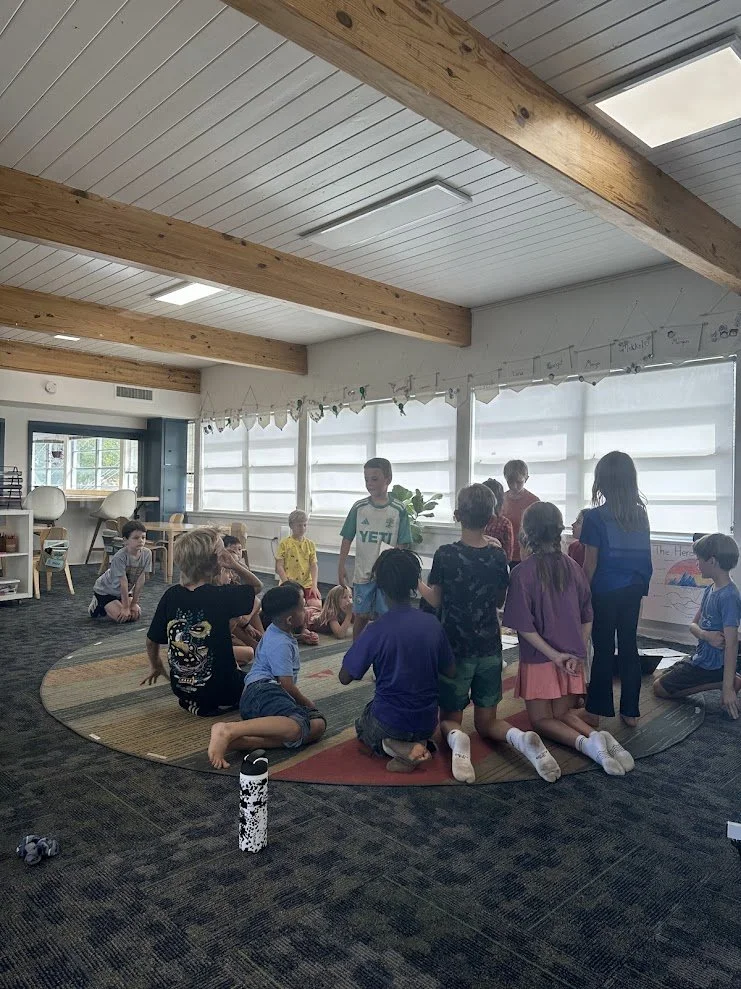
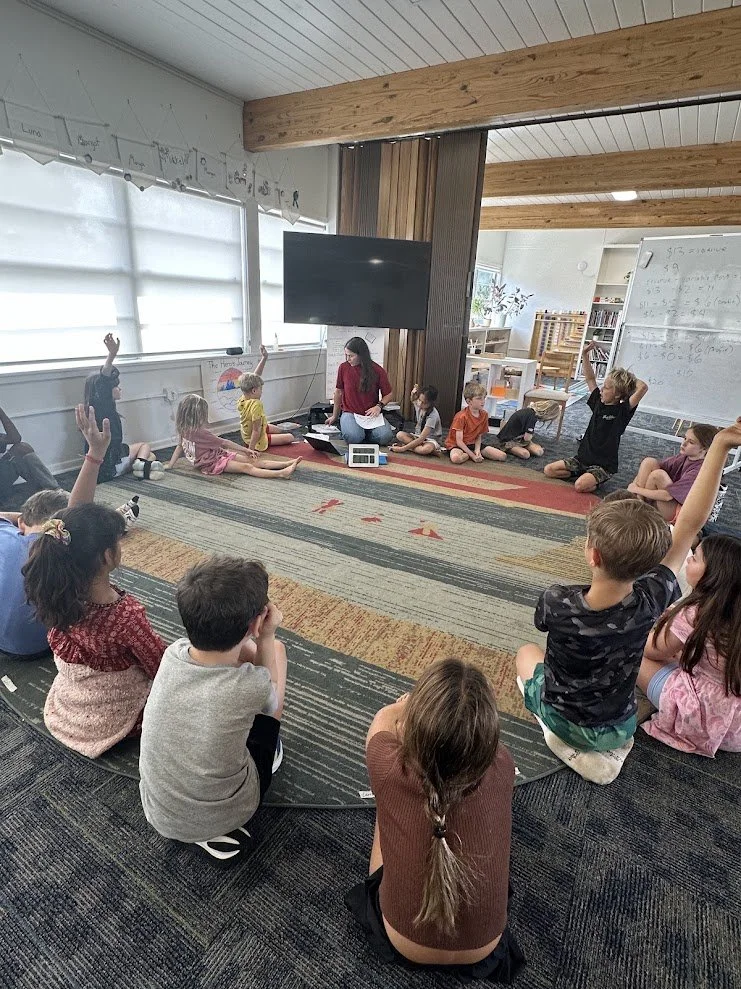
On Thursday, Discoverers returned to their Question of the Year: Where does a Hero find purpose?
They began by contrasting two heroes. One had known exactly what they wanted to do since childhood, spending years working toward a clear goal. The other had no particular direction, instead exploring different interests, helping others, and changing course along the way.
Which hero is more likely to discover a meaningful purpose?
From there, learners explored what purpose actually means, and whether a hero needs to know their purpose to have one. Their call to action was to pay attention over the coming weeks: What problems catch their attention? What kinds of work feel meaningful, even when they're difficult? When do they feel proud of making a difference? These small observations may offer clues as they continue exploring the question.
As the Discoverers move into another week, they'll continue developing their businesses, refining their technical writing, and putting their growing skills into practice.