
This week, Discoverers continued building the systems and habits that allow a learner-driven community to thrive. Across the week, they practiced giving and receiving feedback, made progress on their creative work, started to plan their upcoming Exhibition of Learning, and continued setting intentional goals for their Work Cycles.
Discussions
A major theme this week was feedback—both how to give it and how to receive it.
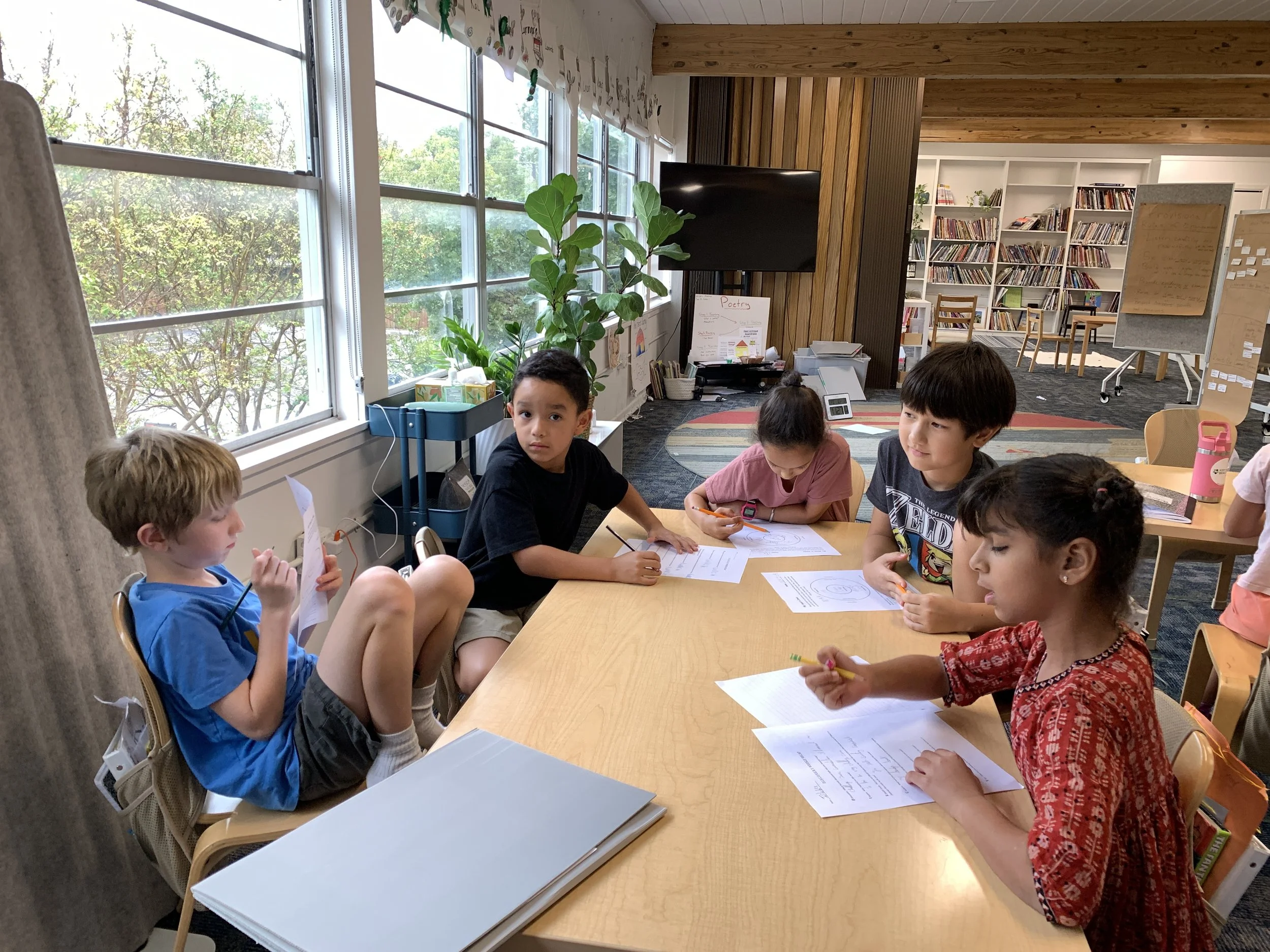
In Writers’ Workshop, Discoverers began the process of peer critique. Rather than simply telling a Fellow Traveler whether a poem was “good,” they practiced giving specific feedback that could help a writer make the work stronger. They explored the balance between warm-hearted encouragement and tough-minded honesty, considering when each is useful and what can happen when either one is missing.The conversation connected to a larger question about the kind of community they want to create: How can people be both kind and honest with one another?
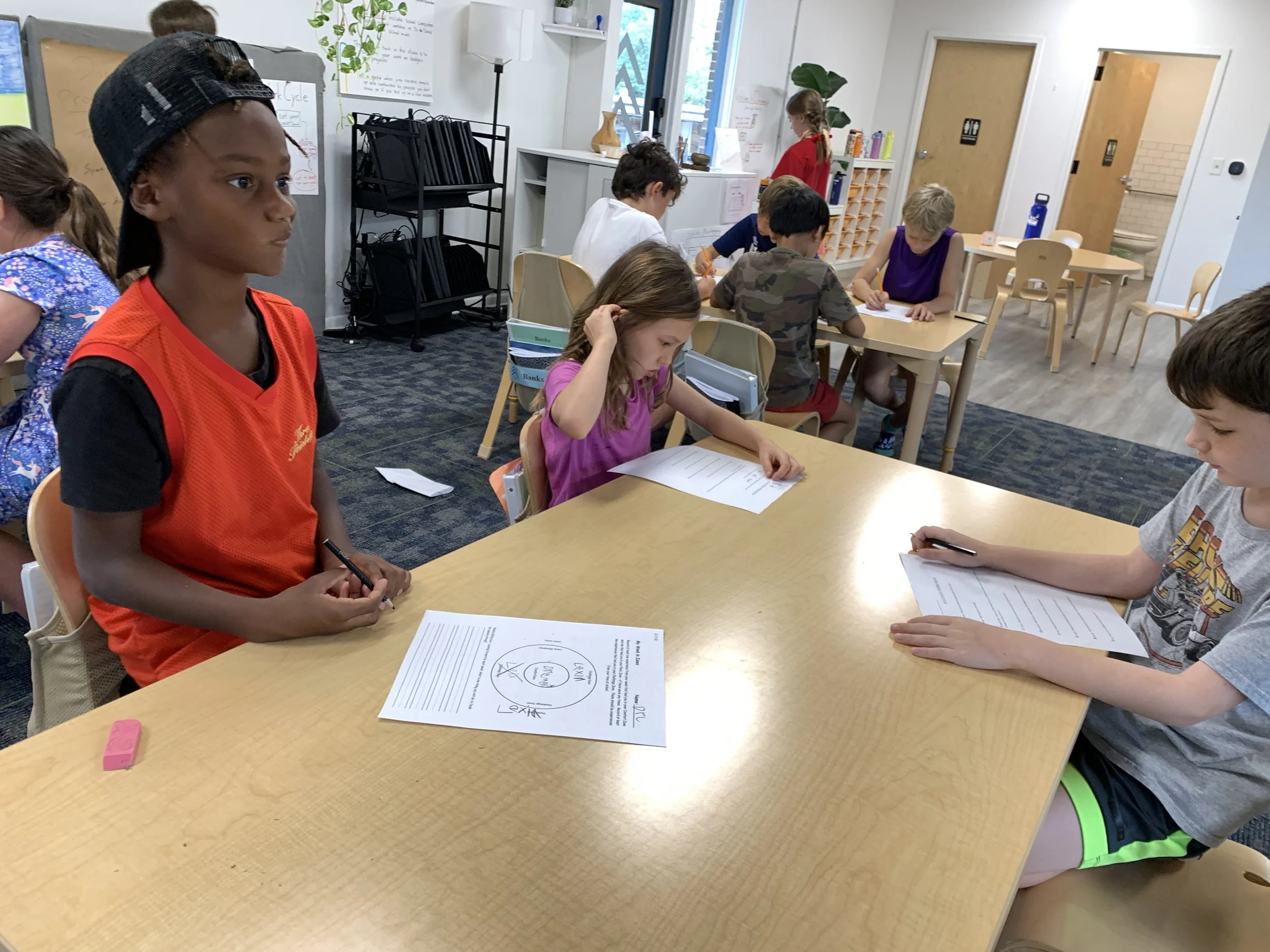
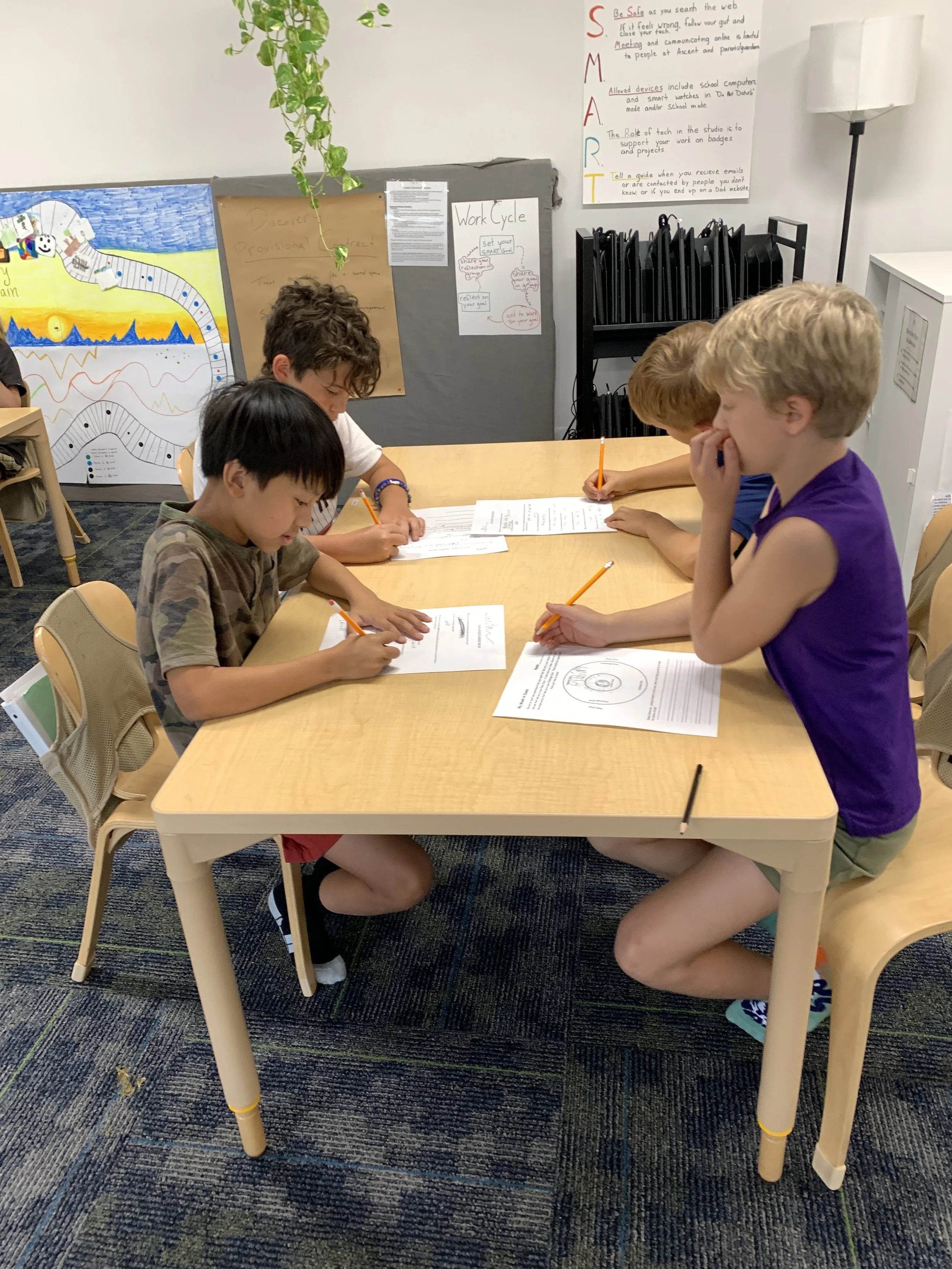
Another discussion invited Discoverers to think about challenge and growth. They considered whether it is better to tackle one difficult thing for a long time or to intentionally do something difficult every day. They also used the Challenge Donut to consider when it makes sense to be in the comfort, challenge, or panic zones.
Writers’ Workshop
Discoverers are moving through the full writing process with their poetry. After drafting haikus, free-verse poems, and odes, they are now revising their work. With the support of peer critiques, given in the form of a feedback sandwich, each poetic had the opportunity to see their poem through a new reader’s eyes. After taking critiques into account and completing revision on their poems, the Discovery poets will move on to final edits and publishing next week.
Exhibition of Learning
Discoverers also began planning their upcoming Exhibition of Learning. Instead of simply preparing something for adults to watch, they were challenged to think about how they can become their parents’ guides—showing them the systems, tools, and accomplishments that demonstrate their learning.
They worked together to consider what parents should learn, how the exhibition should flow, what roles each learner might play, and how they can prepare to answer questions. The exhibition is another opportunity for Discoverers to demonstrate the depth and breadth of their learning. Their challenge is to provide meaningful proof of work and explain what they have learned, how they learned it, and where they are going next.
Contract & Rules of Engagement
This week also marked an important milestone for the studio: Discoverers completed their contract creation process and finalized their Rules of Engagement. Creating these agreements gave learners an opportunity to think carefully about the kind of community they want to build and the behaviors that will help make that community possible. With the contract and Rules of Engagement finalized, the studio now has a shared foundation for making decisions, navigating challenges, and holding one another accountable.
Work Cycle & Goal Setting
Throughout the week, SMART goals, Work Cycle, and reflection remained an important part of the daily rhythm. Discoverers practiced setting specific goals before beginning their work and reflecting afterward on whether they accomplished what they intended.These small cycles of planning, working, and reflecting are an important part of developing independence. The goal is not simply to finish more work, but to become increasingly aware of how to plan effectively, recognize obstacles, and adjust when a plan is not working.
Studio Life
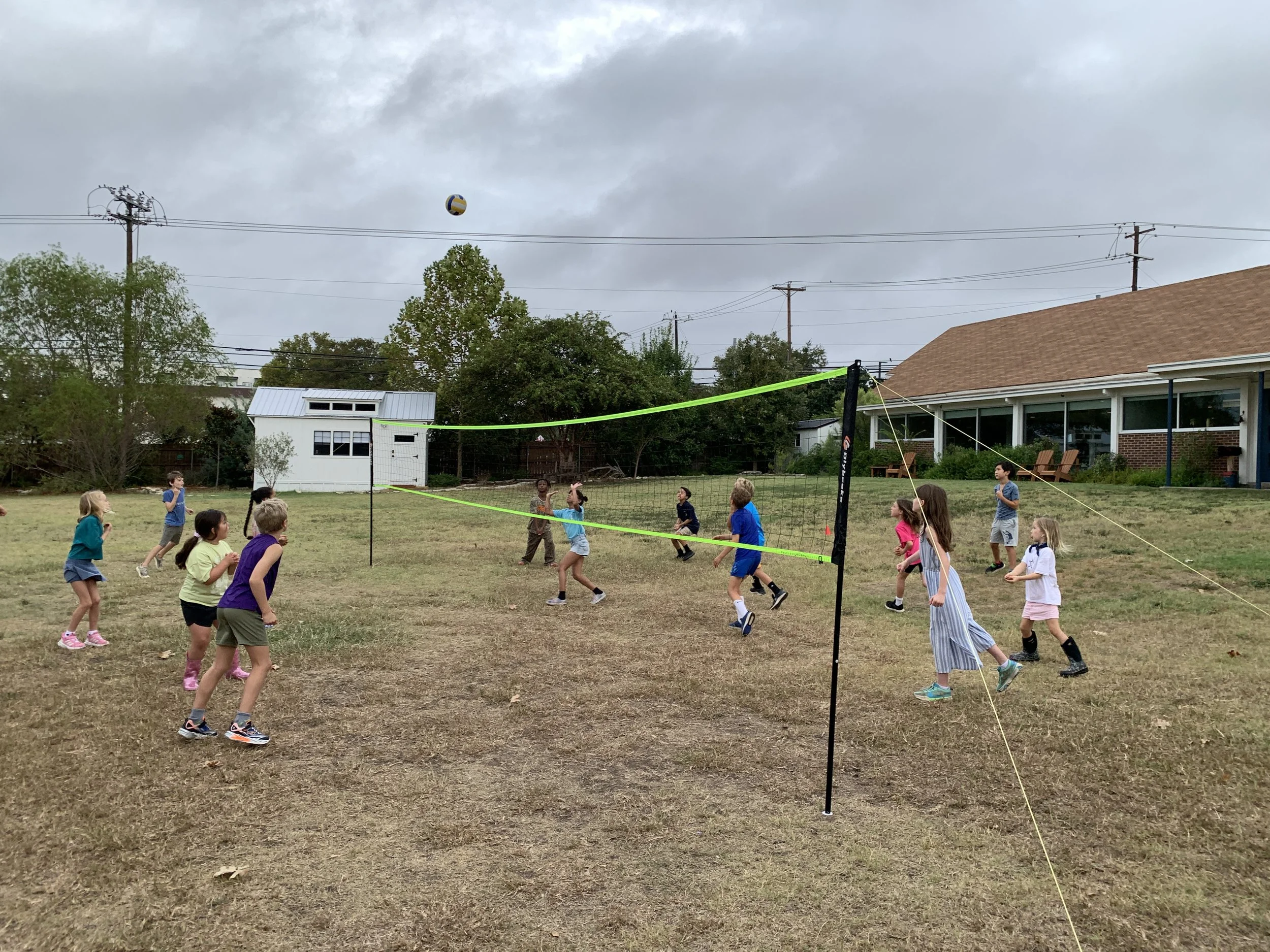
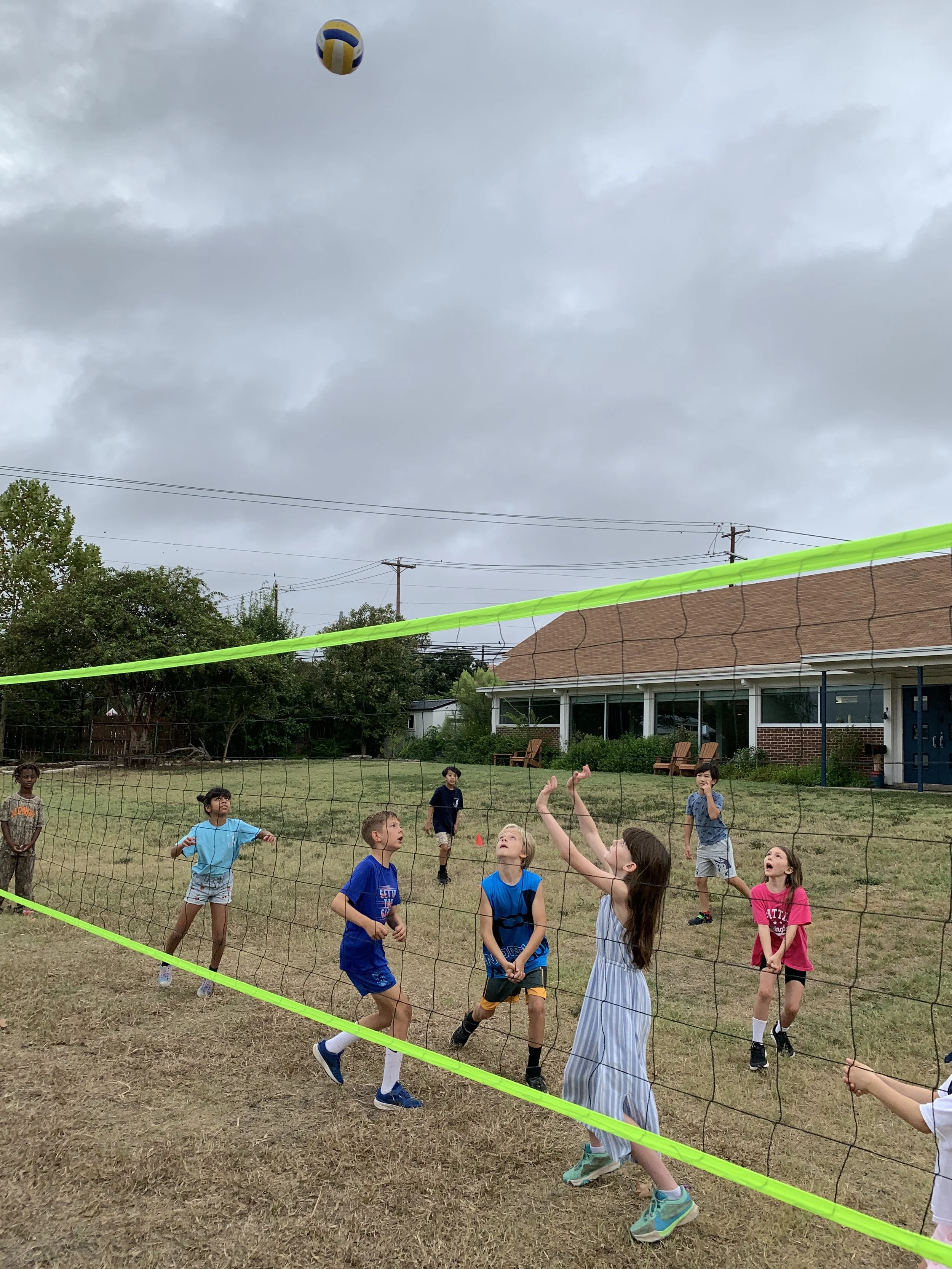
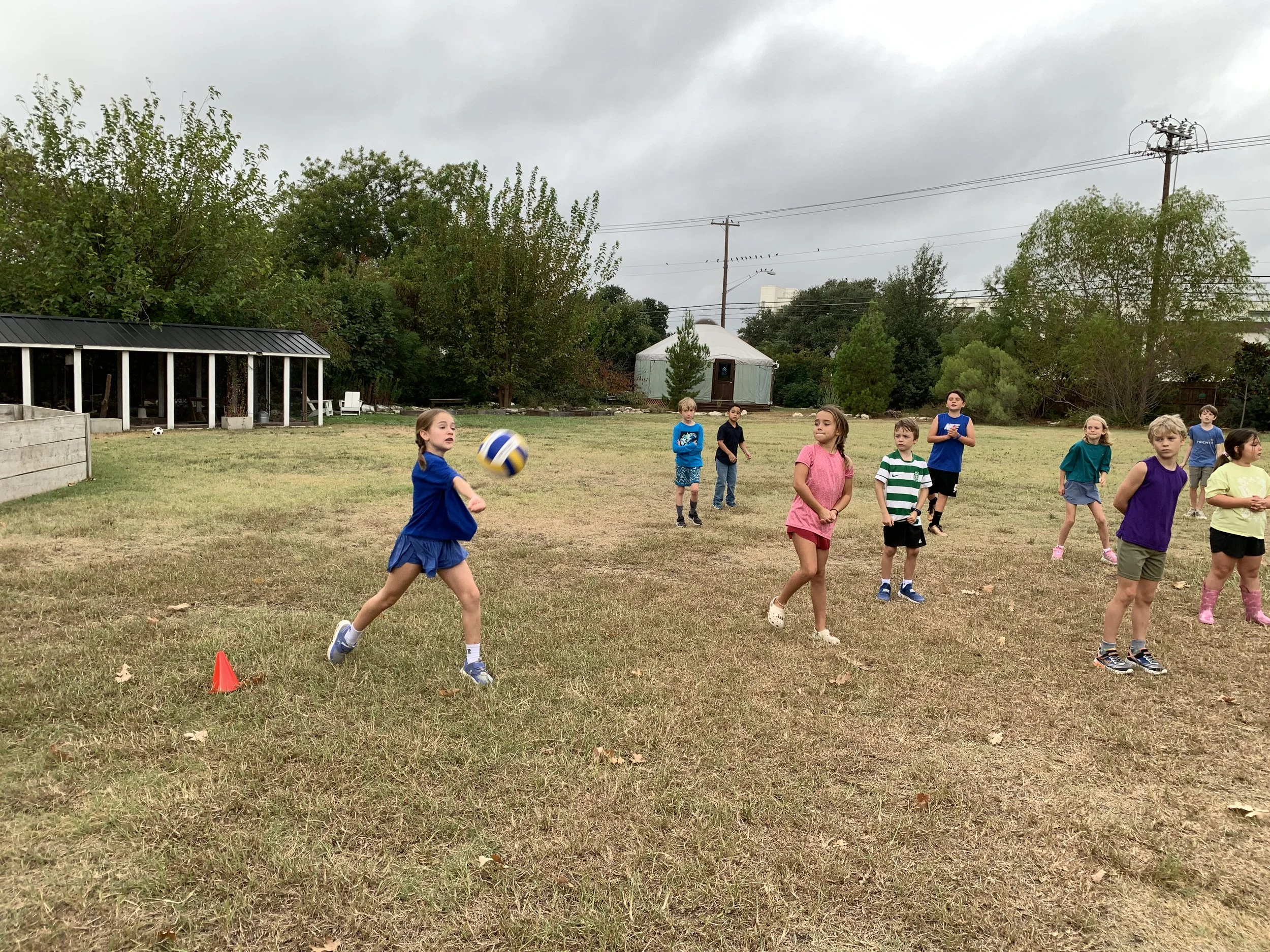
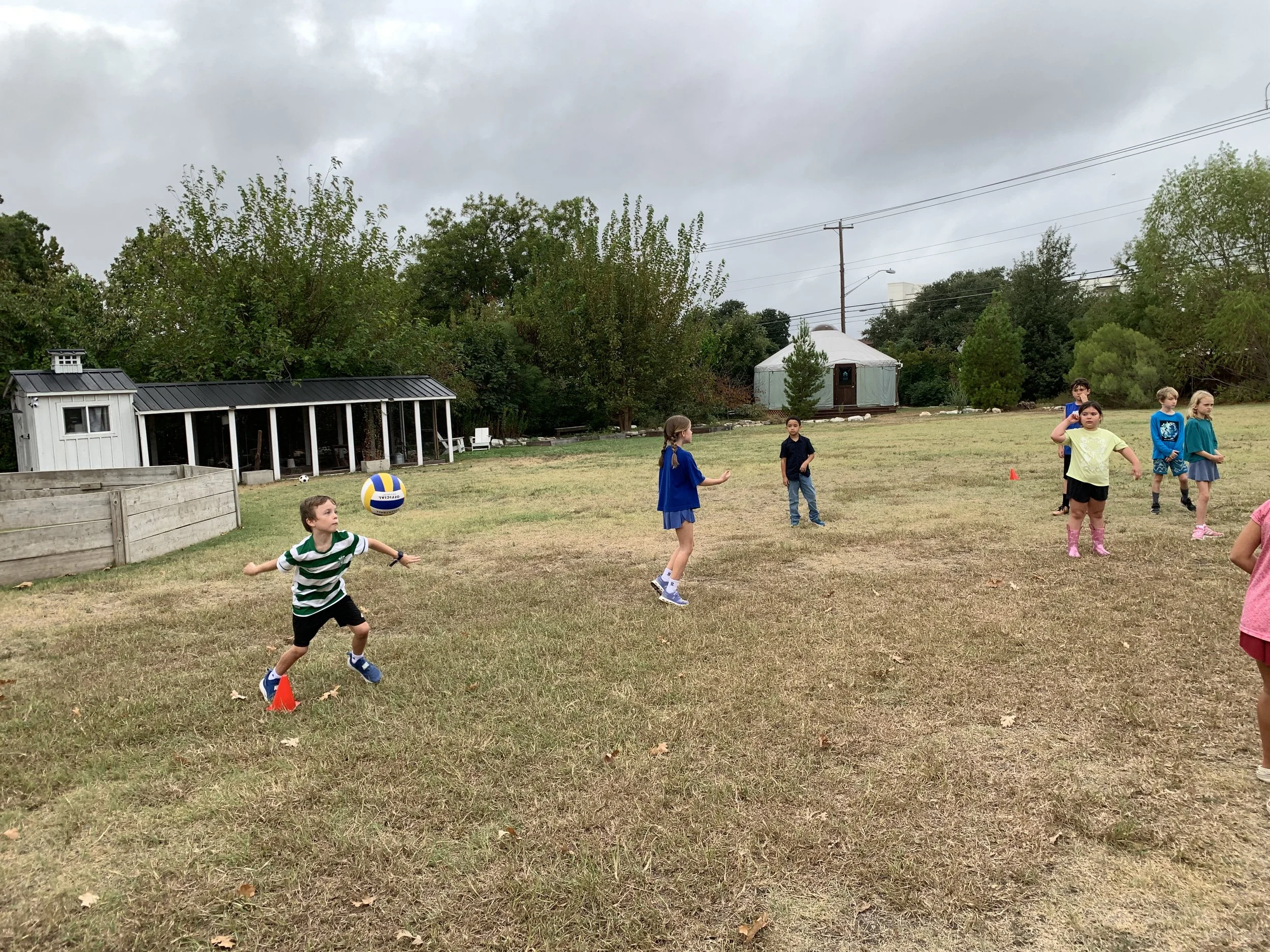
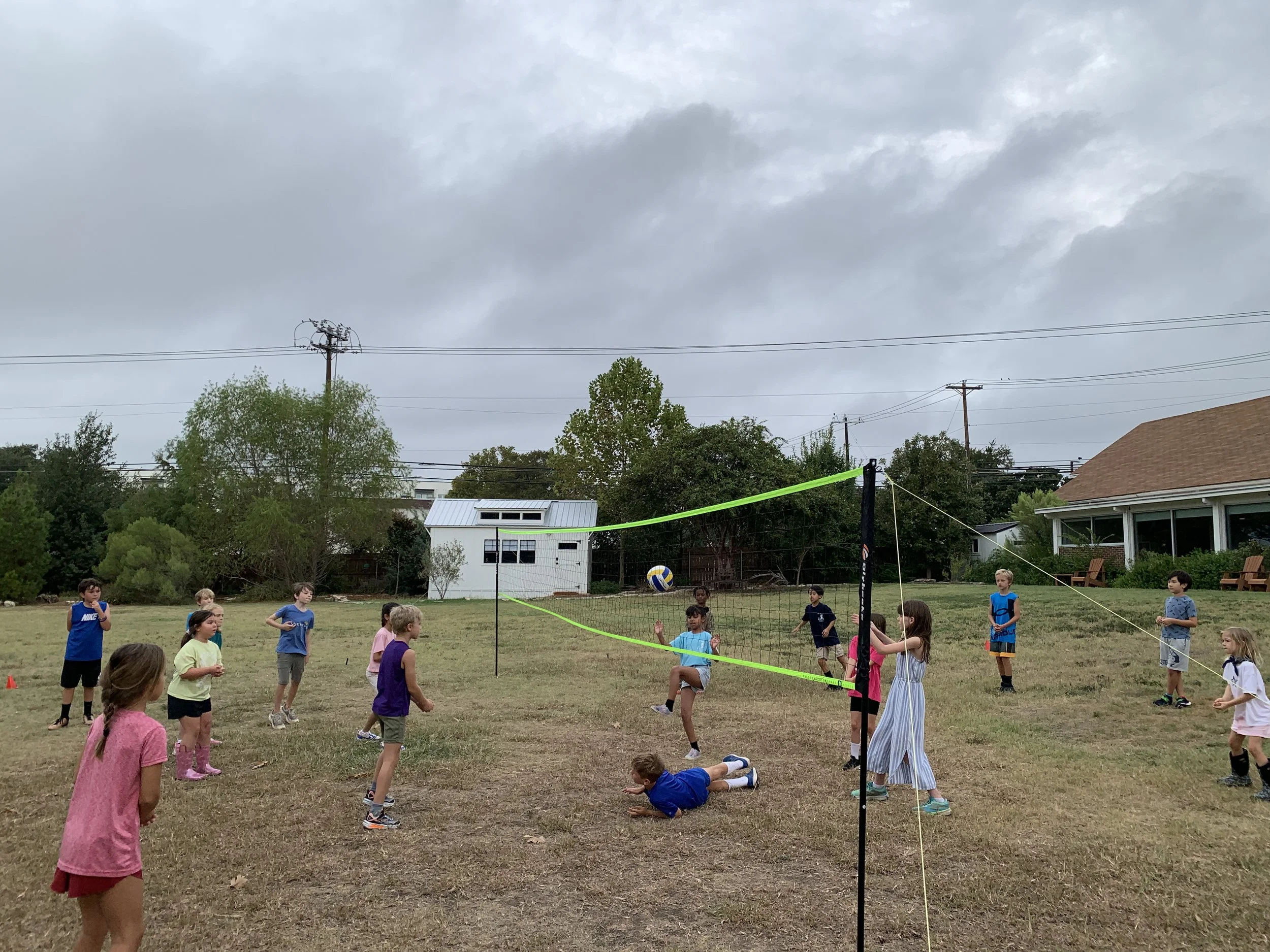
Discoverers also continued taking responsibility for the physical and social environment of the studio. Studio Maintenance remained part of each day, with learners experimenting with different ways of motivating themselves and one another to complete individual jobs well. They also made time for team-building activities, free time, community projects, squad meetings, and games. These moments may look very different from traditional academic work, but they are opportunities to practice communication, collaboration, leadership, and the habits needed to function as a strong community.
This week brought together many of the pieces that make a learner-driven studio work: freedom paired with responsibility, challenge paired with reflection, and warm-hearted relationships paired with tough-minded feedback. Discoverers are continuing to build not just their individual skills, but the community in which they will practice them.